
Mold removal
Attic mold removal in San Antonio, TX
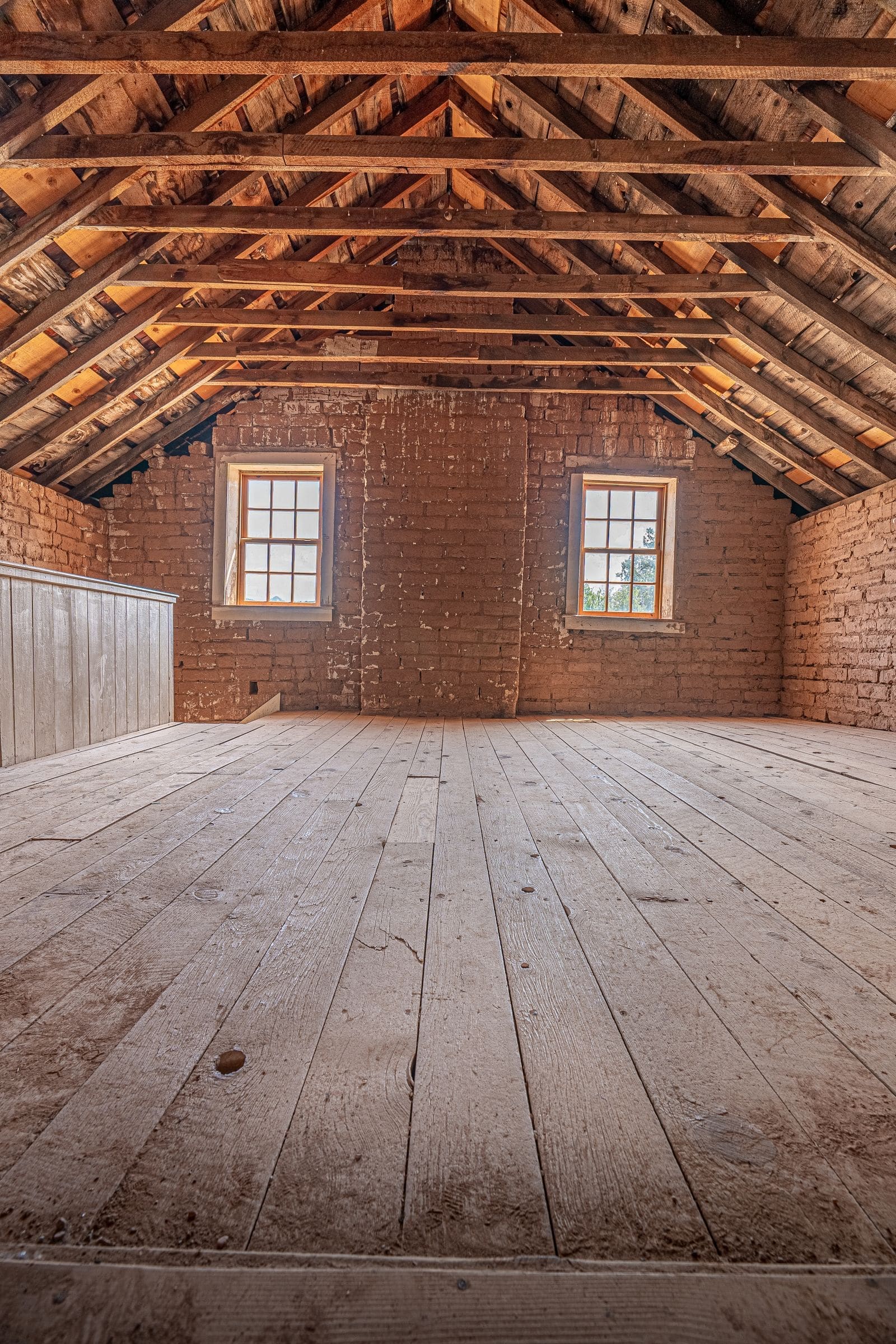
Attic mold usually grows on roof decking from condensation, poor ventilation, bathroom fans vented into the attic, or roof and AC leaks. Removal cleans or treats the decking and rafters, and the ventilation or moisture source is corrected so it doesn't return.
Attic mold removal in San Antonio: local conditions
Partner coverage for mold removal in San Antonio currently includes 33 ZIP codes: 78201, 78209, 78212, 78213, 78216, 78217, 78218, 78228, 78229, 78230, 78231, 78232, 78233, 78238, 78239, 78240, 78244, 78245, 78247, 78248, 78249, 78250, 78251, 78253, 78254, 78255, 78256, 78257, 78258, 78259, 78260, 78261, 78266. If your ZIP is on this list, a call connects you with a company that serves it.
The April 2016 storm damaged roofs across northern Bexar County, and hail remains a regular spring threat. The February 2021 freeze burst pipes in attics and exterior walls across San Antonio. Long, hot summers keep attic air handlers running, and clogged condensate lines overflow into ceilings.
King William and Monte Vista have historic homes, many on pier-and-beam foundations with original plumbing. North-side subdivisions like Stone Oak are mostly newer slab homes with attic HVAC equipment.
Licensing in Texas: Texas doesn't license general contractors statewide, but it licenses mold assessors and mold remediation contractors through the Texas Department of Licensing and Regulation (TDLR) for projects of 25 contiguous square feet or more.
What you can expect
- One call connects you with an independent restoration company that serves your ZIP code.
- Fast call-back during business hours
- Serving San Antonio, TX
- Photo and moisture documentation for insurance
Attic mold removal at a glance
- Category
- Mold removal
- Emergency service
- Scheduled visit
- Typical first step
- Find the cause
- Area
- San Antonio, TX
Other risks in San Antonio
Flash flooding
Creeks like Leon Creek and Salado Creek rise quickly in heavy rain, and low-water crossings flood across the city.
Expansive clay and slab leaks
Clay soils swell and shrink with rain and drought, cracking slabs and the plumbing beneath them.
Signs you need attic mold removal
- Dark staining on roof decking or rafters
- Damp or compressed insulation
- Frost or condensation on nails in winter
How the work is done
Find the cause, then Remove and clean, then Treat and seal, then Correct moisture. See the full attic mold removal process.
What affects the cost
Prices depend on the job, so restoration companies in San Antonio quote after an assessment. The main drivers are how much area is affected, how long it stayed wet, and what has to be removed or rebuilt. See the full list of attic mold removal cost factors.
Attic mold removal questions
Do I need a permit for repairs in San Antonio?
Structural, plumbing and electrical repairs need permits from the City of San Antonio Development Services Department.
Do I need a licensed mold company in San Antonio?
Yes, for jobs of 25 contiguous square feet or more. Texas requires a TDLR-licensed remediator and an independent licensed assessor.
Is attic mold a deal-breaker when selling a house?
Not usually, if it's remediated and the cause is fixed with documentation. Buyers mainly want proof it was handled correctly.
Related pages
Other services in San Antonio
- Water Damage in San Antonio
- Mold Removal in San Antonio
- Fire & Smoke Damage in San Antonio
- Sewage & Biohazard Cleanup in San Antonio
- Emergency water extraction in San Antonio
- Structural drying in San Antonio
- Flood damage cleanup in San Antonio
- Burst pipe water damage in San Antonio
- Ceiling water damage repair in San Antonio
Attic mold removal in nearby cities
More about water and storm damage in San Antonio, or see attic mold removal nationwide.
Related services
Mold remediation
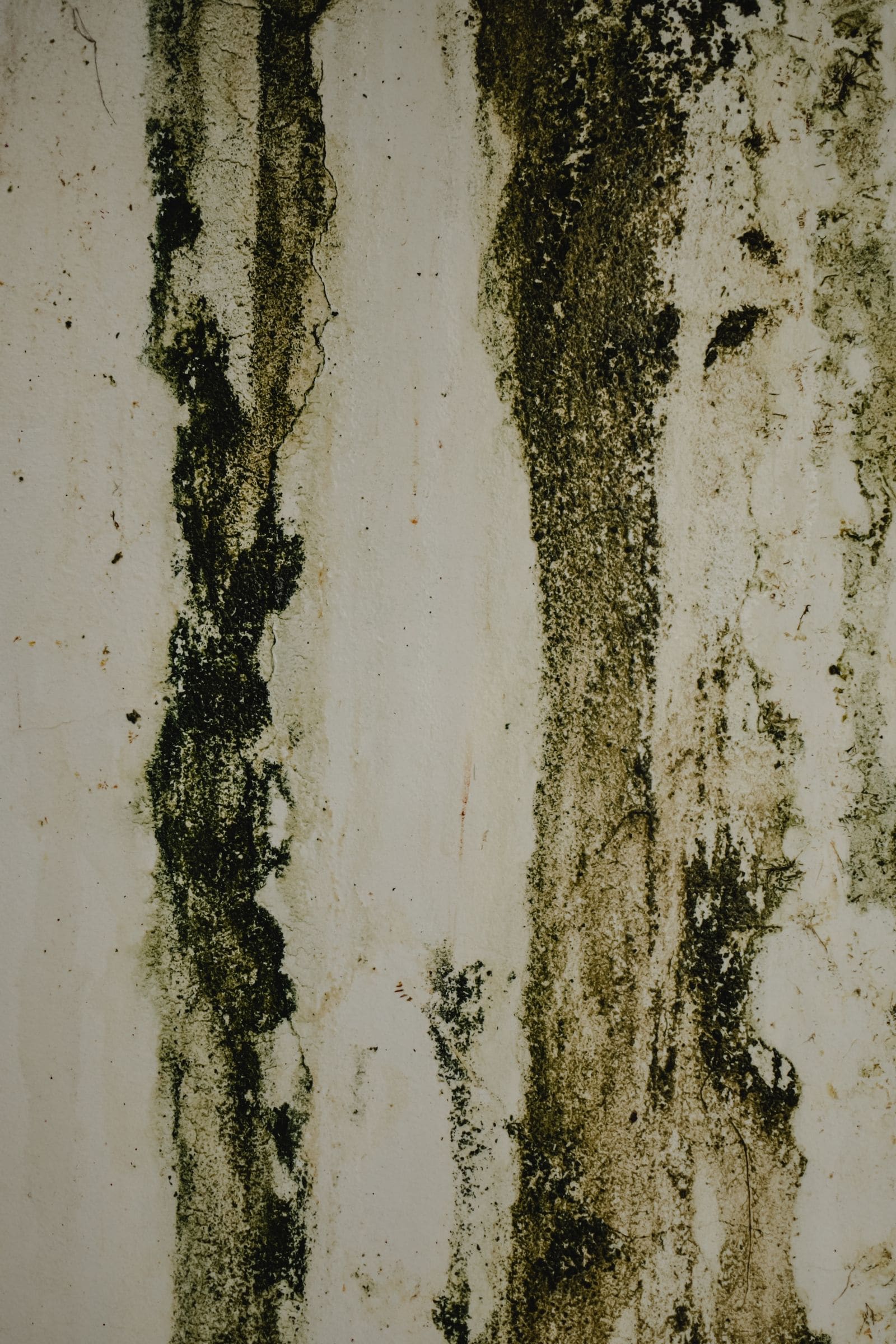
Mold remediation removes mold growth under containment so spores don't spread, cleans or discards affected materials, and corrects the moisture problem that let it grow.
Learn more
Mold inspection & testing
A mold inspection looks for visible growth, hidden moisture and the conditions causing it, using moisture meters, thermal imaging and, when useful, air or surface samples.
Learn more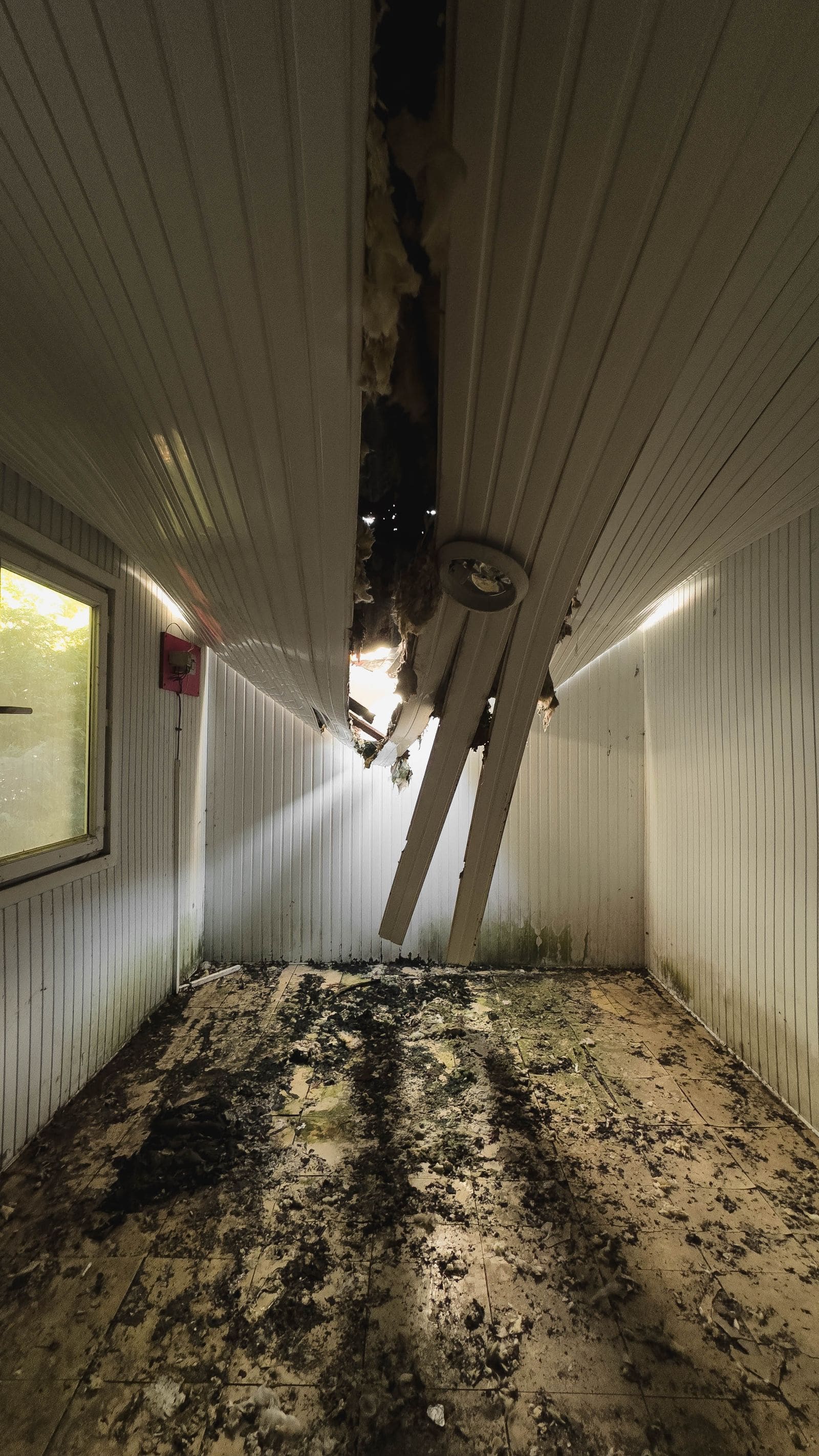
Ceiling water damage repair
Ceiling water damage is usually caused by a roof leak, an attic AC drain overflowing, or a plumbing line above.
Learn moreWater, mold or fire damage? Get the right crew on it.
One call connects you with an independent restoration company that serves your ZIP code. Fast call-back during business hours.