
Sewage & biohazard · Emergency service
Sewage & Biohazard Cleanup in Charleston, SC
Sewage backups, contaminated floodwater and other biohazards are Category 3 losses. They need protective equipment, removal of porous materials that were touched, cleaning and disinfection of everything else, and careful drying.
Sewage & Biohazard Cleanup in Charleston: local conditions
Partner coverage for sewage and biohazard cleanup in Charleston currently includes 15 ZIP codes: 29401, 29402, 29403, 29406, 29407, 29409, 29412, 29413, 29414, 29417, 29422, 29424, 29425, 29457, 29492. If your ZIP is on this list, a call connects you with a company that serves it.
King tides regularly flood downtown streets, and the frequency of tidal flooding has increased sharply in recent decades. Hurricane Hugo in 1989 devastated the area, and storms like Matthew (2016) and Irma (2017) flooded the peninsula. The city has spent years building deep drainage tunnels and pump stations to reduce peninsula flooding, but many streets still flood during heavy rain at high tide.
Historic homes have plaster walls, original wood floors and often crawlspaces or raised foundations. Newer homes are often slab or crawlspace construction.
Licensing in South Carolina: South Carolina requires residential builders and specialty contractors to be licensed or registered with the Residential Builders Commission (SC LLR). Check the license before hiring.
What you can expect
- One call connects you with an independent restoration company that serves your ZIP code.
- Fast call-back during business hours
- Serving Charleston, SC
- Photo and moisture documentation for insurance
Sewage & Biohazard Cleanup at a glance
- Category
- Sewage & biohazard
- Emergency service
- Yes, call for fastest response
- Typical first step
- Protect people and contain the area
- Area
- Charleston, SC
Other risks in Charleston
Humidity and mold
Constant humidity means mold grows fast after a leak.
Historic single houses
Charleston single houses have long side piazzas, plaster walls and older roofs, and many sit just a few feet above sea level.
Rapid growth in surrounding areas
Fast-growing areas like Summerville and James Island add new homes in low-lying areas, where drainage can be a problem.
Signs you need sewage & biohazard cleanup
- Water or waste coming up through floor drains, toilets or tubs
- A strong sewage smell in a basement or bathroom
- Floodwater that entered the home from outside
How the work is done
Protect people and contain the area, then Remove contaminated water, then Remove porous materials, then Clean and disinfect, then Verify and rebuild. See the full sewage & biohazard cleanup process.
What affects the cost
Prices depend on the job, so restoration companies in Charleston quote after an assessment. The main drivers are how much area is affected, how long it stayed wet, and what has to be removed or rebuilt. See the full list of sewage & biohazard cleanup cost factors.
Sewage & Biohazard Cleanup questions
Is tidal flooding covered by insurance in Charleston?
No. Tidal flooding and surge require flood insurance, not homeowners coverage.
Do I need a permit for repairs on a historic Charleston home?
Structural work needs permits from the City of Charleston, and exterior changes in historic districts may need Board of Architectural Review approval.
Can I clean up a small sewage backup myself?
A small backup on a hard, non-porous floor sometimes can be with gloves, boots and disinfectant. Anything that reached carpet, drywall or other porous materials needs professional cleanup.
Does homeowners insurance cover sewage backups?
Usually only with a sewer or drain backup endorsement. Flooding from outside needs a flood policy.
Related pages
Other services in Charleston
Sewage & Biohazard Cleanup in nearby cities
More about water and storm damage in Charleston, or see sewage & biohazard cleanup nationwide.
Related services
Sewage backup cleanup
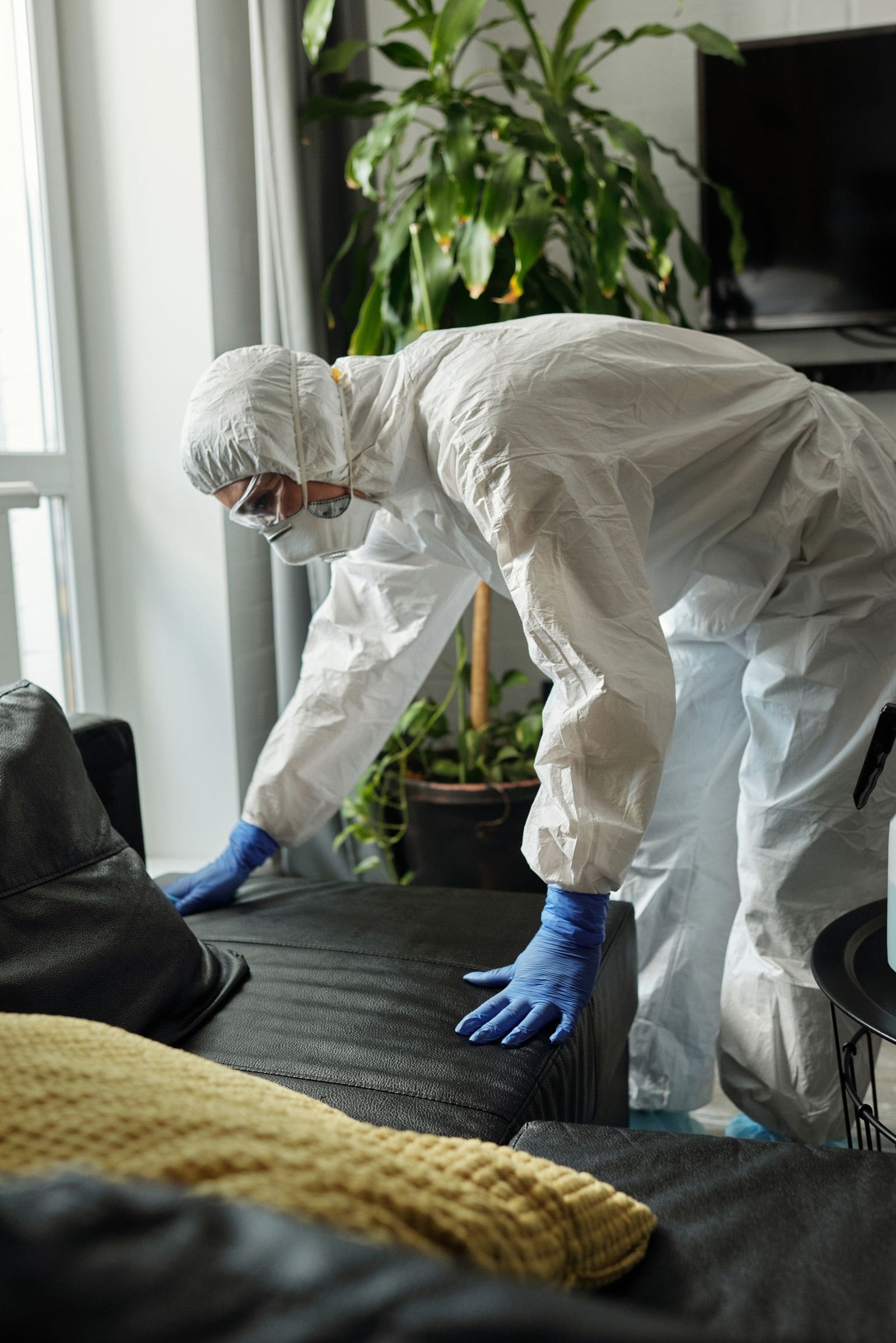
Sewage cleanup treats the water as Category 3 (grossly contaminated): crews in protective gear remove it, discard porous materials it touched, clean and disinfect hard surfaces, and dry the structure.
Learn more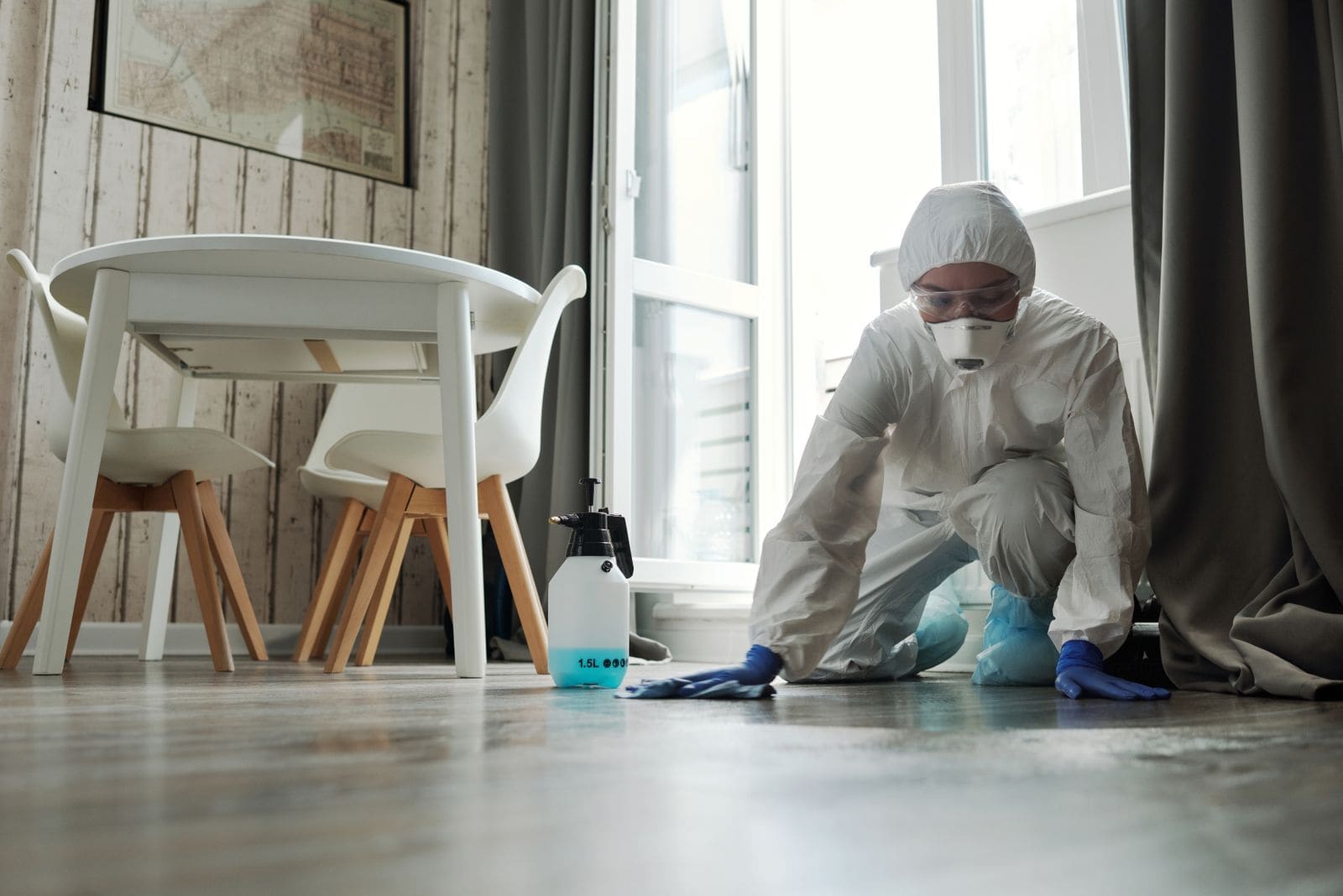
Biohazard cleanup
Biohazard cleanup removes and disposes of blood, bodily fluids and other potentially infectious material, then cleans and disinfects the area so it's safe to use.
Learn more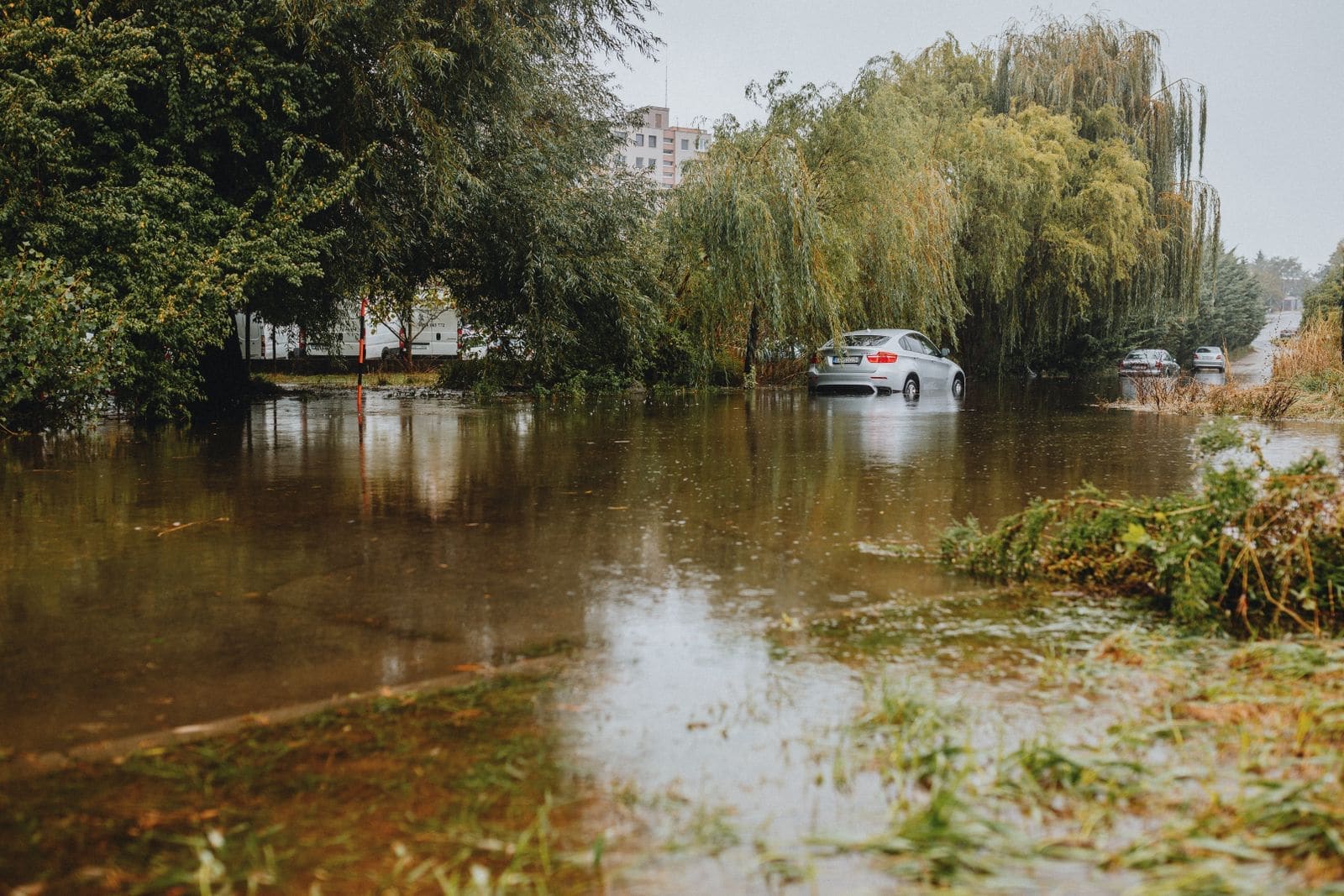
Flood damage cleanup
Flood cleanup treats outside floodwater as contaminated: it removes water and mud, cuts out wet drywall and insulation above the waterline, sanitizes, and dries the structure.
Learn moreWater, mold or fire damage? Get the right crew on it.
One call connects you with an independent restoration company that serves your ZIP code. Fast call-back during business hours.