
Water damage · Emergency service
Flood damage cleanup in Ohio
Flood cleanup treats outside floodwater as contaminated: it removes water and mud, cuts out wet drywall and insulation above the waterline, sanitizes, and dries the structure. Floodwater carries sewage and chemicals, so porous materials it touched are usually discarded.
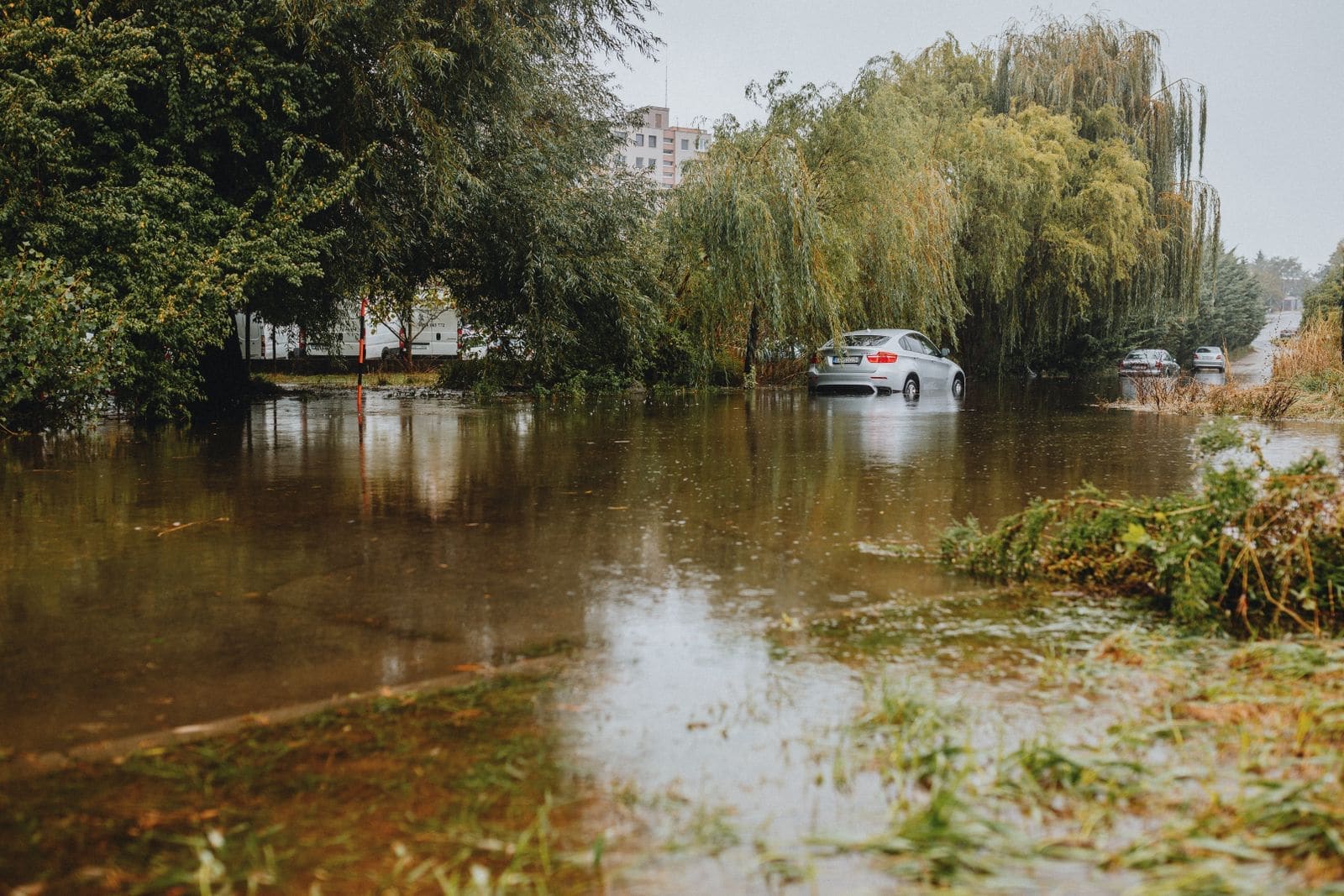
Flood damage cleanup in Ohio: local conditions
Partner coverage for water damage in Ohio includes 1,212 ZIP codes, with local pages for Columbus, Cleveland, Cincinnati, Toledo, Akron, Canton, Youngstown, Mansfield, Springfield. Call with your ZIP to confirm a company serves your address.
The Ohio, Muskingum, Great Miami and other rivers flood communities in their valleys.
In Columbus: The Scioto and Olentangy rivers flood low-lying areas during heavy rain. In Cleveland: High Lake Erie levels and strong storms erode the shoreline and flood lakefront properties, especially along the city's east and west shores. In Cincinnati: The river flooded low-lying areas in 1937 and 1997, and floodwalls now protect parts of the riverfront. In Toledo: Flat terrain and older sewers mean heavy rain backs water into basements.
Early-1900s homes are common in the cities, with mid-century suburbs and newer subdivisions around Columbus. Many older homes have clay or cast-iron sewer laterals and original drain tile that clog or collapse.
Ohio doesn't license residential general contractors statewide. Cities and counties license them locally. The state licenses commercial HVAC, plumbing and electrical contractors.
What you can expect
- One call connects you with an independent restoration company that serves your ZIP code.
- Fast call-back during business hours
- Serving Ohio
- Photo and moisture documentation for insurance
Flood damage cleanup at a glance
- Category
- Water damage
- Emergency service
- Yes, call for fastest response
- Typical first step
- Make safe
- Area
- Ohio
Other risks in Ohio
Basement water and sewer backup
Older combined sewers and aging laterals back up into basements during heavy rain.
Frozen pipes
Cold snaps freeze pipes, especially in older homes.
Severe storms and tornadoes
Spring and summer thunderstorms bring damaging winds, hail and occasional tornadoes that damage roofs and siding, letting rain into homes.
Signs you need flood damage cleanup
- Water entered from outside, at doors or through the slab
- A visible waterline on walls
- Mud or debris left on floors
How the work is done
Make safe, then Remove water and debris, then Flood cuts and sanitizing, then Dry and verify. See the full flood damage cleanup process.
What affects the cost
Prices depend on the job, so restoration companies in Ohio quote after an assessment. The main drivers are how much area is affected, how long it stayed wet, and what has to be removed or rebuilt. See the full list of flood damage cleanup cost factors.
Flood damage cleanup questions
Is sewer backup covered in Ohio?
Usually only with a sewer or water backup endorsement on your policy.
Do Ohio residential contractors need a license?
Licensing for residential contractors is local. Check with your city or county building department.
Is flood damage covered by homeowners insurance?
Usually not. Rising water from outside is typically covered only by a flood policy (NFIP or private). Water from a burst pipe is a different claim under your homeowners policy.
Can drywall that got flood water be dried?
Generally no. Floodwater is contaminated, so the IICRC S500 standard calls for removing porous materials it soaked, including drywall and insulation, above the waterline.
Cities in Ohio
Other services in Ohio
Related pages
More about water and storm damage in Ohio, or see flood damage cleanup nationwide.
Related services
Emergency water extraction
Water extraction is the first step of any water loss: removing standing and absorbed water with powerful pumps and extractors before drying starts.
Learn more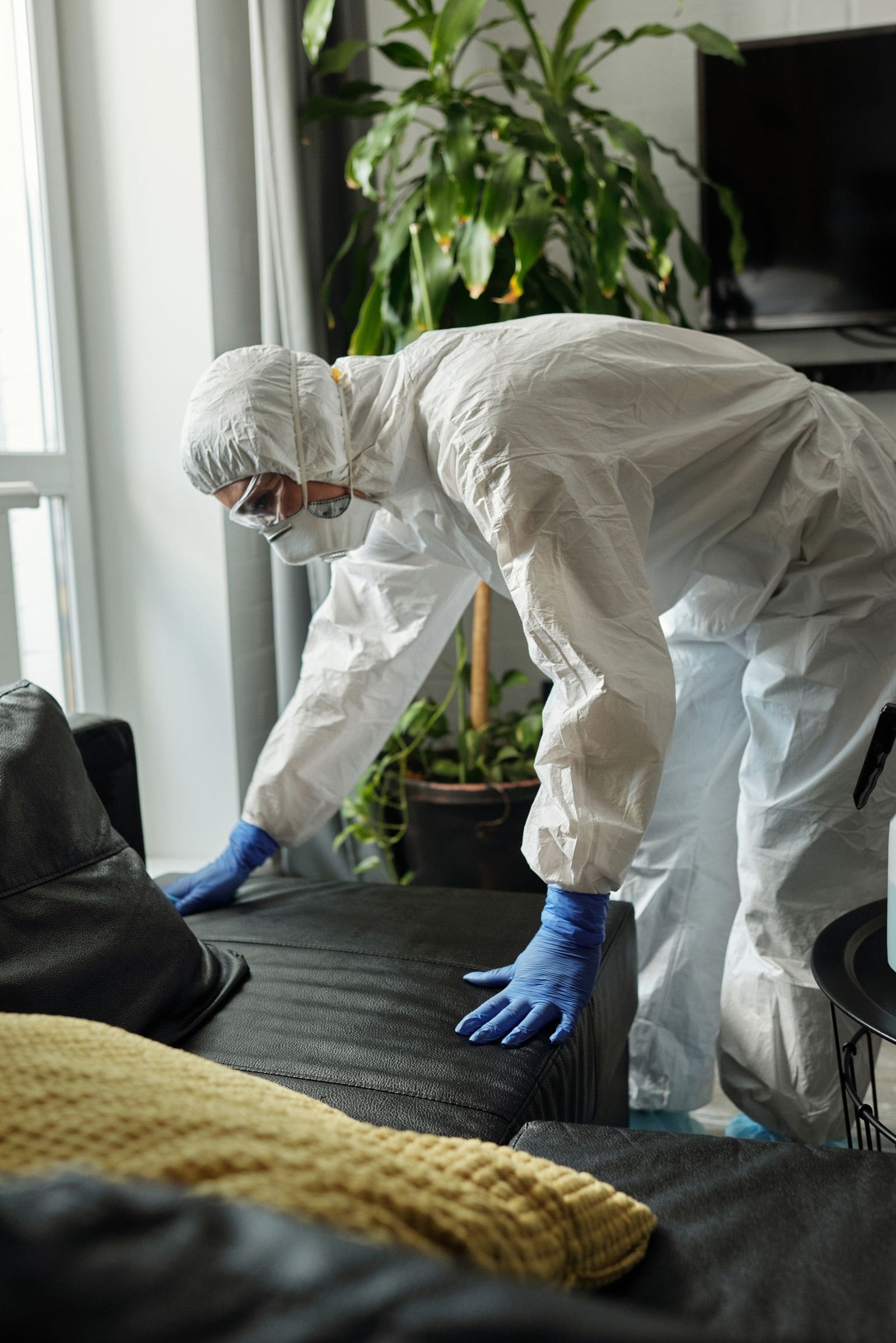
Sewage backup cleanup
Sewage cleanup treats the water as Category 3 (grossly contaminated): crews in protective gear remove it, discard porous materials it touched, clean and disinfect hard surfaces, and dry the structure.
Learn more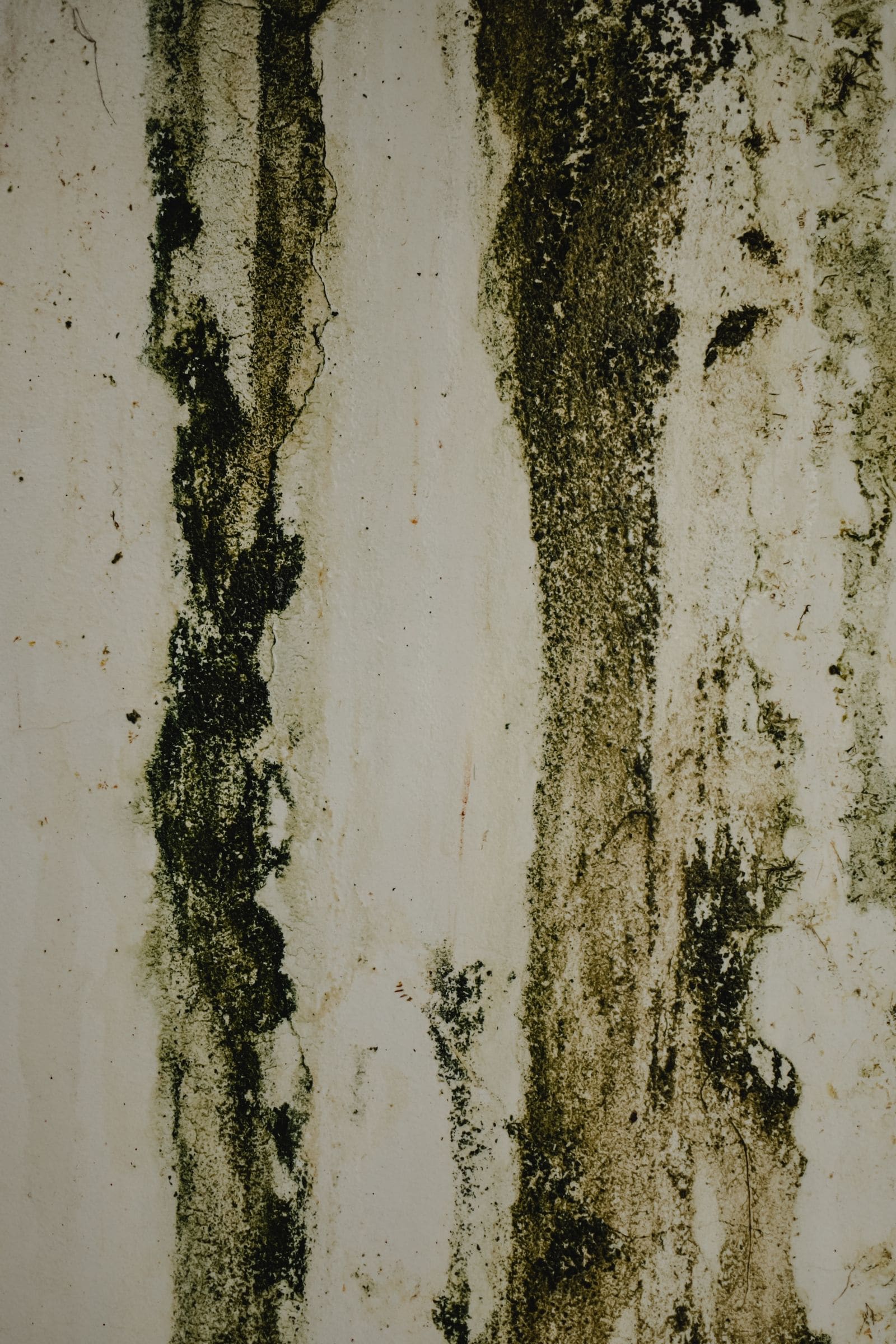
Mold remediation
Mold remediation removes mold growth under containment so spores don't spread, cleans or discards affected materials, and corrects the moisture problem that let it grow.
Learn moreWater, mold or fire damage? Get the right crew on it.
One call connects you with an independent restoration company that serves your ZIP code. Fast call-back during business hours.