
Mold removal
Mold remediation in Denton, TX
Mold remediation removes mold growth under containment so spores don't spread, cleans or discards affected materials, and corrects the moisture problem that let it grow. Several states, including Texas, Florida, Louisiana and New York, license mold remediation, so check your state's rules.
Mold remediation in Denton: local conditions
Partner coverage for mold removal in Denton currently includes 10 ZIP codes: 76201, 76202, 76203, 76204, 76205, 76206, 76207, 76208, 76209, 76210. If your ZIP is on this list, a call connects you with a company that serves it.
Leaks in rentals can go unreported for days. Long-wet carpet and drywall raise the odds of mold.
In rental properties, both the landlord and tenant need to be informed: the owner's policy covers the building, and a renter's policy covers the tenant's belongings. Fast extraction matters because rental flooring is often carpet.
Licensing in Texas: Texas doesn't license general contractors statewide, but it licenses mold assessors and mold remediation contractors through the Texas Department of Licensing and Regulation (TDLR) for projects of 25 contiguous square feet or more.
What you can expect
- One call connects you with an independent restoration company that serves your ZIP code.
- Fast call-back during business hours
- Serving Denton, TX
- Photo and moisture documentation for insurance
Mold remediation at a glance
- Category
- Mold removal
- Emergency service
- Scheduled visit
- Typical first step
- Assessment
- Area
- Denton, TX
Other risks in Denton
Older homes near the Square
Early-1900s homes may have pier-and-beam foundations, original drain lines and limited insulation on supply pipes, which raises freeze risk.
Hard freezes
Denton sits farther north and sees colder freezes than Dallas or Houston, so attic and exterior-wall pipes are at higher risk.
Lake Lewisville and Ray Roberts storms
Denton sits between Lake Lewisville and Ray Roberts Lake, and spring storms tracking across North Texas bring heavy rain and hail. Pecan Creek and Cooper Creek can rise quickly, flooding low streets and backing up storm drains in older neighborhoods near downtown.
Signs you need mold remediation
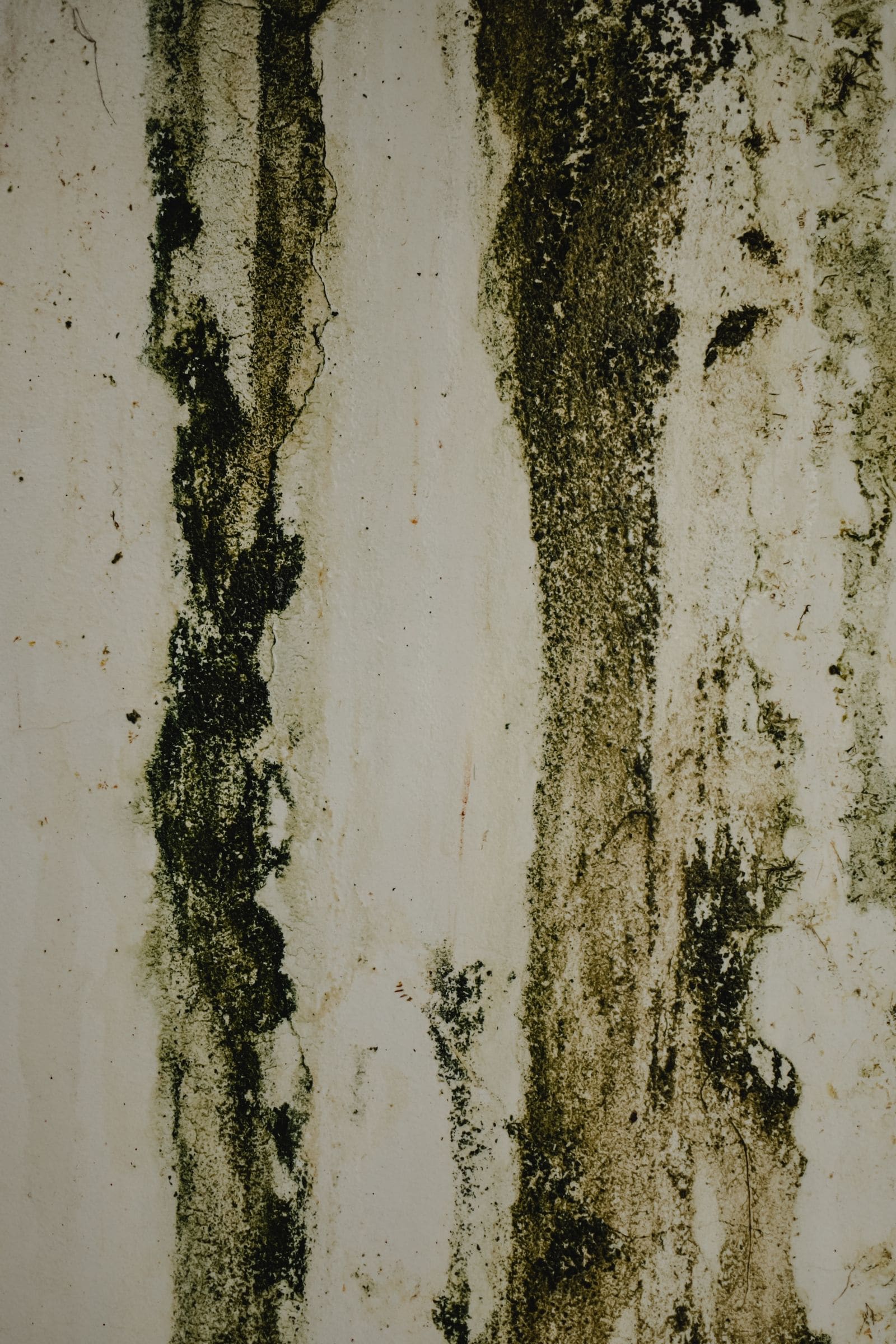
- Visible black, green or white growth on drywall, baseboards or wood
- A musty odor in a closet, bathroom or HVAC closet
- Recurring condensation on AC vents or ducts
How the work is done
Assessment, then Containment, then Removal and cleaning, then Clearance. See the full mold remediation process.
What affects the cost
Prices depend on the job, so restoration companies in Denton quote after an assessment. The main drivers are how much area is affected, how long it stayed wet, and what has to be removed or rebuilt. See the full list of mold remediation cost factors.
Mold remediation questions
I rent in Denton and had a leak. What should I do?
Shut off the water if you can, report it to your landlord in writing right away, photograph your belongings, and call your renter's insurance for your contents. The landlord arranges building repairs.
Do repairs in Denton require a permit?
Drying doesn't. Plumbing, electrical and structural rebuild work is permitted through the City of Denton's building safety department.
Do I need a licensed company for mold removal?
It depends on your state. Texas, Florida, Louisiana and New York license mold remediation above set sizes. In other states, look for IICRC-certified remediators, insurance and a written scope.
Does bleach kill mold?
Bleach can whiten mold on hard, non-porous surfaces, but it doesn't penetrate drywall or wood and adds moisture. Removal and cleaning, plus fixing the moisture, is the reliable fix.
Related pages
Other services in Denton
Mold remediation in nearby cities
More about water and storm damage in Denton, or see mold remediation nationwide.
Related services

Mold inspection & testing
A mold inspection looks for visible growth, hidden moisture and the conditions causing it, using moisture meters, thermal imaging and, when useful, air or surface samples.
Learn more
Attic mold removal
Attic mold usually grows on roof decking from condensation, poor ventilation, bathroom fans vented into the attic, or roof and AC leaks.
Learn moreStructural drying
Structural drying removes moisture that has soaked into walls, framing, subfloors and cabinets after the visible water is gone.
Learn moreWater, mold or fire damage? Get the right crew on it.
One call connects you with an independent restoration company that serves your ZIP code. Fast call-back during business hours.