
Mold removal
Mold Removal in Columbus, GA
Mold removal means finding the moisture source, containing the affected area, removing contaminated materials, cleaning what can be saved, and confirming the problem is gone. Without fixing the moisture, mold usually comes back.
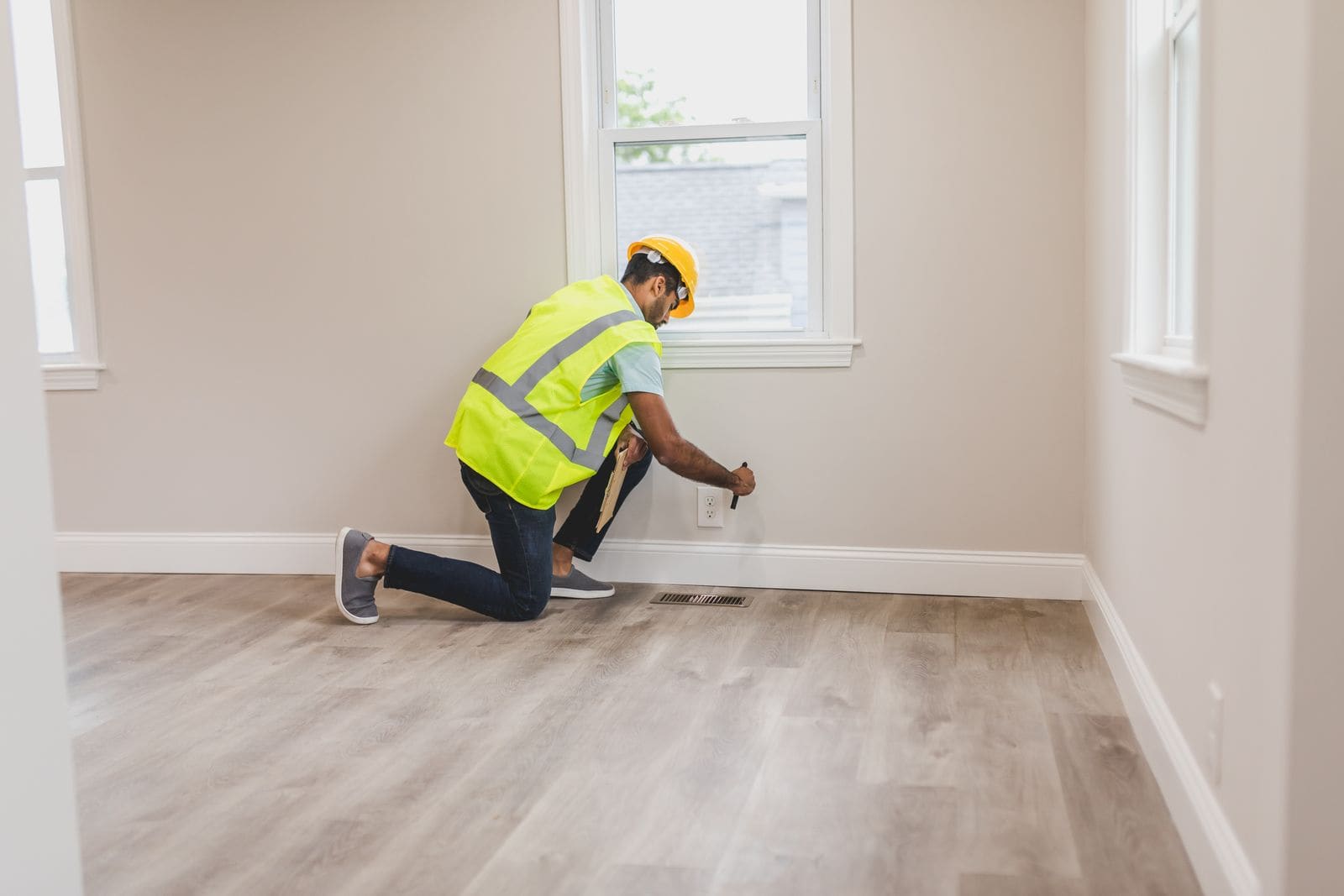
Mold Removal in Columbus: local conditions
Partner coverage for mold removal in Columbus currently includes 15 ZIP codes: 31901, 31902, 31903, 31904, 31906, 31907, 31908, 31909, 31914, 31917, 31993, 31995, 31997, 31998, 31999. If your ZIP is on this list, a call connects you with a company that serves it.
Humid summers keep crawlspaces damp, causing mold and rot. Cold snaps are rare but sudden, and pipes in crawlspaces and exterior walls freeze in homes never built for hard freezes.
Midtown and the Historic District have early-1900s homes on crawlspaces with aging plumbing. North Columbus has newer slab and crawlspace homes, and many rentals serve military families. Many older Midtown homes have original hardwood floors and plaster walls that can often be dried in place if crews start quickly.
Licensing in Georgia: Georgia requires residential and general contractors to be licensed by the State Licensing Board for Residential and General Contractors for most jobs over $2,500. Check the license through the Georgia Secretary of State.
What you can expect
- One call connects you with an independent restoration company that serves your ZIP code.
- Fast call-back during business hours
- Serving Columbus, GA
- Photo and moisture documentation for insurance
Mold Removal at a glance
- Category
- Mold removal
- Emergency service
- Scheduled visit
- Typical first step
- Inspect and find the moisture
- Area
- Columbus, GA
Other risks in Columbus
Severe storms and tornadoes
Spring storms bring high winds, falling trees and occasional tornadoes that damage roofs.
Flash flooding
Heavy rain floods creeks and low streets that drain to the Chattahoochee.
AC condensate leaks
Long summers keep air conditioning running, and clogged lines overflow into ceilings.
Rental turnover
Military moves mean frequent tenant changes, and slow leaks can go unreported.
Signs you need mold removal
- Visible spots or fuzzy growth on walls, ceilings or wood
- A musty, earthy smell, especially in closets, basements or crawlspaces
- Recent water damage that wasn't fully dried
How the work is done
Inspect and find the moisture, then Contain the area, then Remove and clean, then Dry and fix the source, then Verify. See the full mold removal process.
What affects the cost
Prices depend on the job, so restoration companies in Columbus quote after an assessment. The main drivers are how much area is affected, how long it stayed wet, and what has to be removed or rebuilt. See the full list of mold removal cost factors.
Mold Removal questions
Do I need a permit for repairs in Columbus?
Cleanup and drying don't. Structural, plumbing and electrical repairs need permits from the Columbus Consolidated Government Inspections and Code Enforcement.
Who handles water damage in a Columbus rental?
Landlords usually handle the building, while tenants need renters insurance for their own belongings.
Is bleach enough to kill mold?
Not on porous materials like drywall and wood. Bleach mostly lightens the surface. Porous materials with growth are usually removed, and the moisture source has to be fixed.
Do I need mold testing?
Not always. If mold is visible, the priority is removing it and fixing the moisture. Testing helps when you smell mold but can't find it, or when clearance is required.
Related pages
Other services in Columbus
Mold Removal in nearby cities
More about water and storm damage in Columbus, or see mold removal nationwide.
Related services
Mold remediation
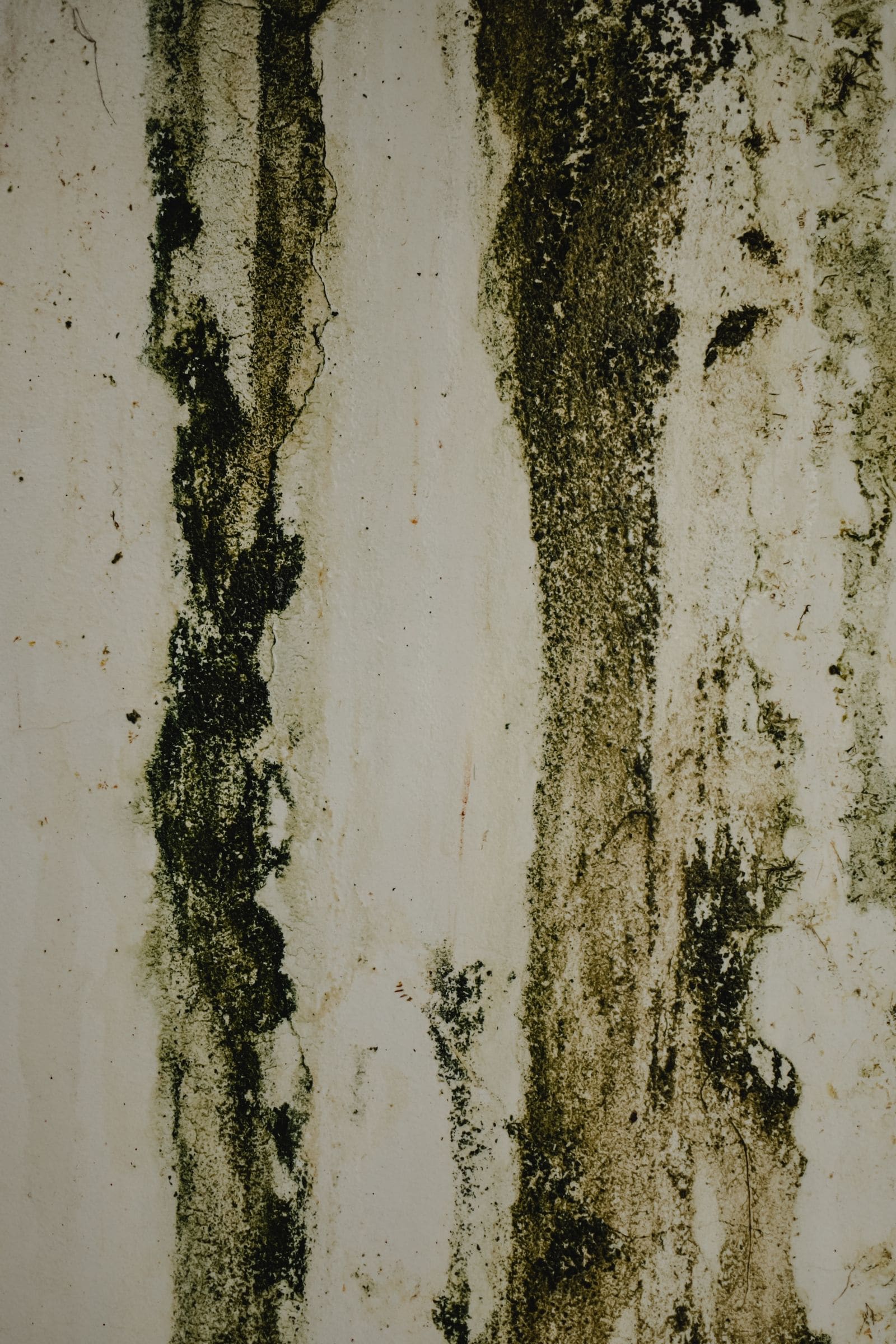
Mold remediation removes mold growth under containment so spores don't spread, cleans or discards affected materials, and corrects the moisture problem that let it grow.
Learn more
Mold inspection & testing
A mold inspection looks for visible growth, hidden moisture and the conditions causing it, using moisture meters, thermal imaging and, when useful, air or surface samples.
Learn more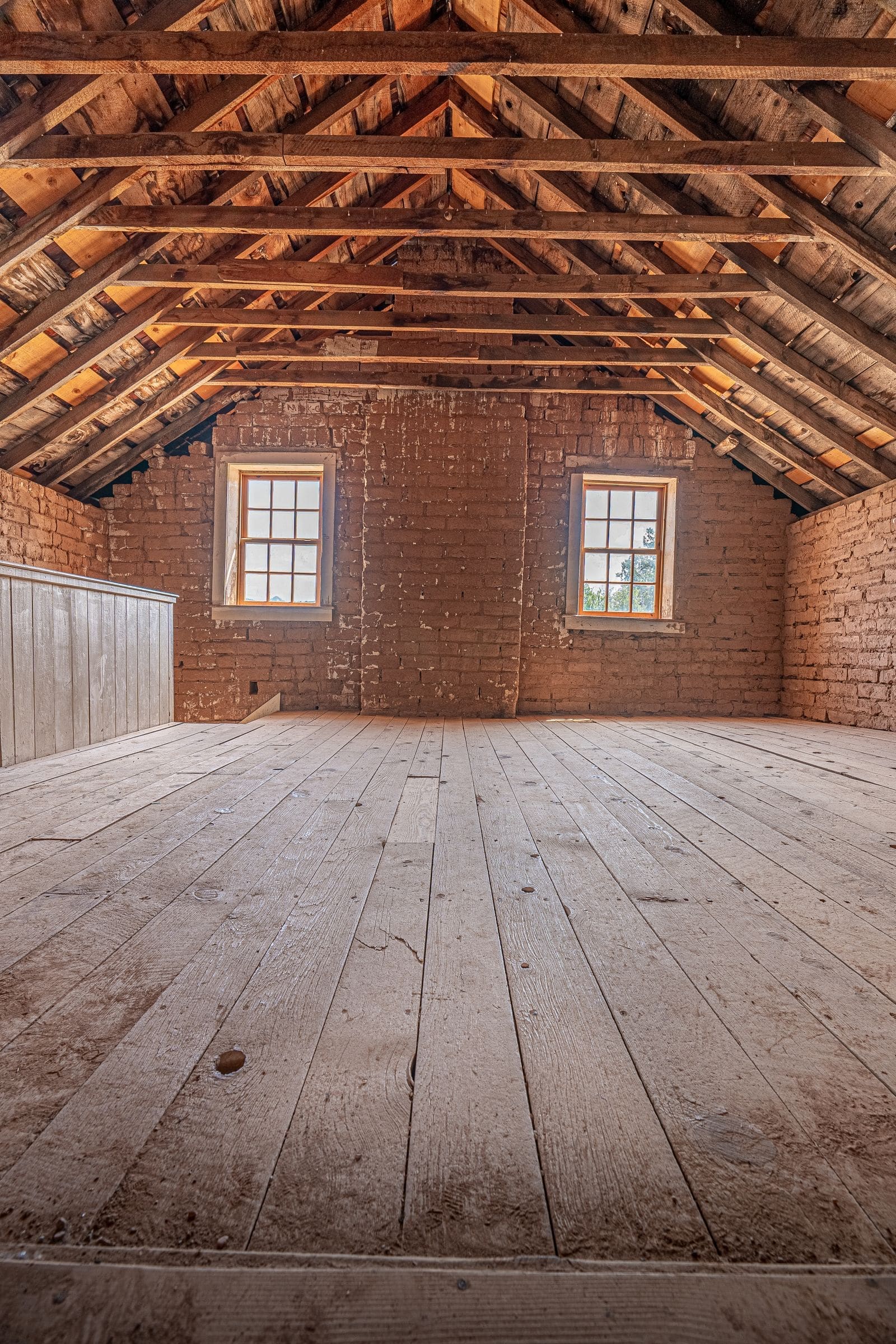
Attic mold removal
Attic mold usually grows on roof decking from condensation, poor ventilation, bathroom fans vented into the attic, or roof and AC leaks.
Learn moreWater, mold or fire damage? Get the right crew on it.
One call connects you with an independent restoration company that serves your ZIP code. Fast call-back during business hours.