
Mold removal
Mold Removal in Manchester, NH
Mold removal means finding the moisture source, containing the affected area, removing contaminated materials, cleaning what can be saved, and confirming the problem is gone. Without fixing the moisture, mold usually comes back.
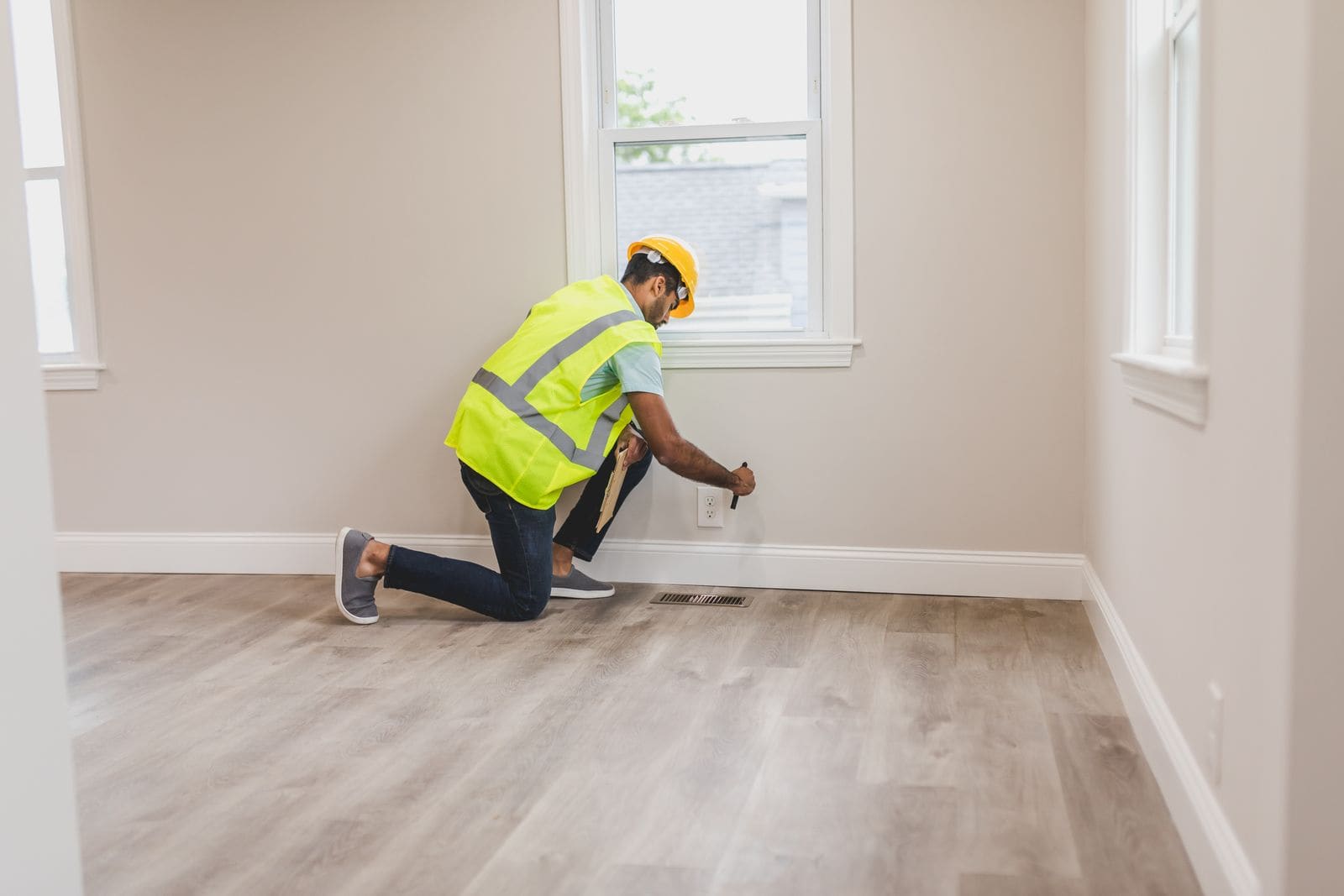
Mold Removal in Manchester: local conditions
Partner coverage for mold removal in Manchester currently includes 8 ZIP codes: 03101, 03102, 03103, 03104, 03105, 03108, 03109, 03111. If your ZIP is on this list, a call connects you with a company that serves it.
The converted Millyard buildings and older brick apartment blocks have thick masonry walls that hold moisture. Water damage there dries slowly and needs dehumidification sized for dense materials.
Many older homes have stone or brick foundations, limited insulation and oil or gas boilers. Multi-family buildings stack plumbing between floors. Basements in older homes are often damp to begin with, so drying targets need to be measured, not guessed.
Licensing in New Hampshire: New Hampshire doesn't license general contractors statewide, though plumbers and electricians are licensed. Ask for insurance, references and a written contract.
What you can expect
- One call connects you with an independent restoration company that serves your ZIP code.
- Fast call-back during business hours
- Serving Manchester, NH
- Photo and moisture documentation for insurance
Mold Removal at a glance
- Category
- Mold removal
- Emergency service
- Scheduled visit
- Typical first step
- Inspect and find the moisture
- Area
- Manchester, NH
Other risks in Manchester
Merrimack River flooding
Spring snowmelt and heavy rain raise the Merrimack, flooding low-lying areas and basements near the river.
Frozen pipes
Long cold snaps freeze pipes in exterior walls and older multi-family homes.
Ice dams
Heat loss through older roofs creates ice dams that leak into top-floor apartments.
Oil and gas boiler failures
Many older homes heat with boilers, and a failed relief valve or cracked heat exchanger can flood a basement or cause soot problems mid-winter.
Signs you need mold removal
- Visible spots or fuzzy growth on walls, ceilings or wood
- A musty, earthy smell, especially in closets, basements or crawlspaces
- Recent water damage that wasn't fully dried
How the work is done
Inspect and find the moisture, then Contain the area, then Remove and clean, then Dry and fix the source, then Verify. See the full mold removal process.
What affects the cost
Prices depend on the job, so restoration companies in Manchester quote after an assessment. The main drivers are how much area is affected, how long it stayed wet, and what has to be removed or rebuilt. See the full list of mold removal cost factors.
Mold Removal questions
Do I need a permit for repairs in Manchester, NH?
Cleanup doesn't. Structural, plumbing and electrical repairs need permits from the City of Manchester's Planning and Community Development building division.
What should I do if pipes freeze in my Manchester home?
Shut off the main water, open faucets, and thaw slowly with safe heat. If a pipe has split, call for extraction before it fully thaws.
Is bleach enough to kill mold?
Not on porous materials like drywall and wood. Bleach mostly lightens the surface. Porous materials with growth are usually removed, and the moisture source has to be fixed.
Do I need mold testing?
Not always. If mold is visible, the priority is removing it and fixing the moisture. Testing helps when you smell mold but can't find it, or when clearance is required.
Related pages
Other services in Manchester
Mold Removal in nearby cities
More about water and storm damage in Manchester, or see mold removal nationwide.
Related services
Mold remediation
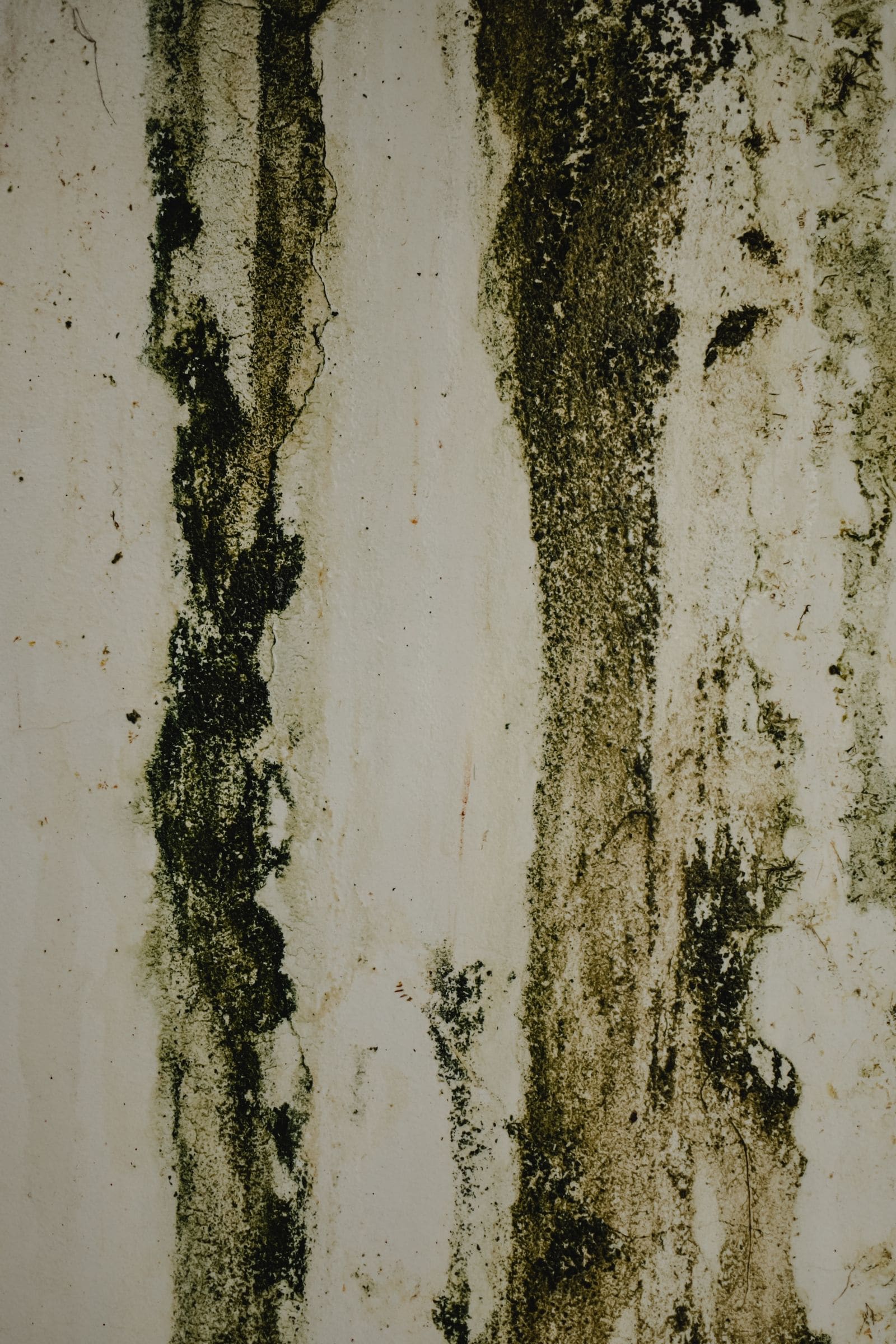
Mold remediation removes mold growth under containment so spores don't spread, cleans or discards affected materials, and corrects the moisture problem that let it grow.
Learn more
Mold inspection & testing
A mold inspection looks for visible growth, hidden moisture and the conditions causing it, using moisture meters, thermal imaging and, when useful, air or surface samples.
Learn more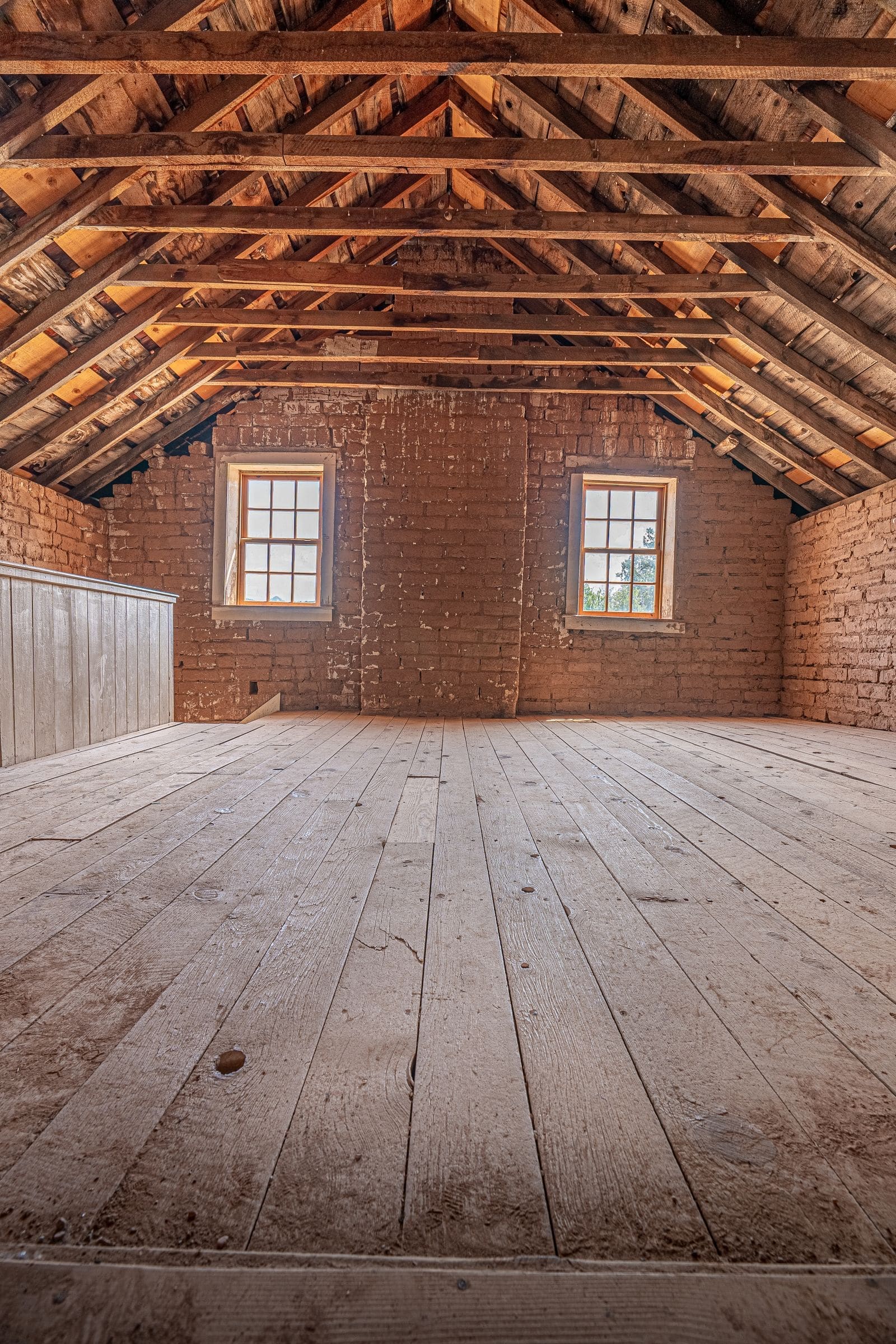
Attic mold removal
Attic mold usually grows on roof decking from condensation, poor ventilation, bathroom fans vented into the attic, or roof and AC leaks.
Learn moreWater, mold or fire damage? Get the right crew on it.
One call connects you with an independent restoration company that serves your ZIP code. Fast call-back during business hours.