
Mold removal
Mold Removal in Port Charlotte, FL
Mold removal means finding the moisture source, containing the affected area, removing contaminated materials, cleaning what can be saved, and confirming the problem is gone. Without fixing the moisture, mold usually comes back.
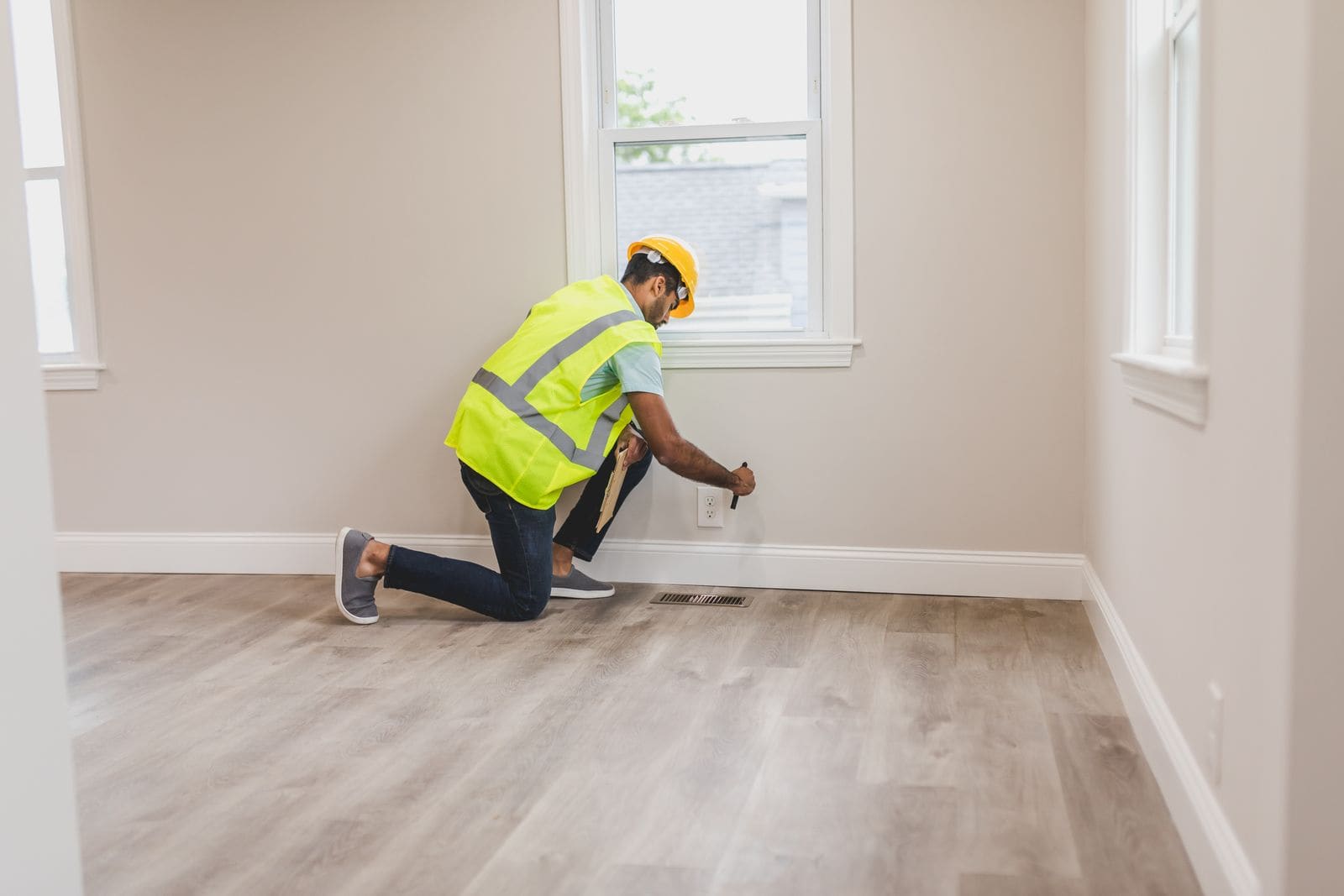
Mold Removal in Port Charlotte: local conditions
Partner coverage for mold removal in Port Charlotte currently includes 6 ZIP codes: 33948, 33949, 33952, 33953, 33954, 33981. If your ZIP is on this list, a call connects you with a company that serves it.
Wet materials grow mold. Leaks in closed homes grow mold. Homes repaired after Ian may hide moisture behind new drywall and flooring.
Most homes are 1960s–1990s concrete-block houses, many on canals. Most Port Charlotte homes are single-story concrete-block houses on slabs built from the 1960s to the 1990s, many on canals that connect to Charlotte Harbor. Homes damaged by Charley in 2004 and Ian in 2022 were repaired with mixed materials, so moisture readings matter after any new water damage. Many owners are seasonal, and slow leaks and AC failures in closed homes can run for weeks. Many homes also have pools and screened lanais where clogged drains send wind-driven rain under sliding doors, and canal-front homes face rising water during tropical storms and high tides.
Licensing in Florida: Florida licenses mold assessors and mold remediators through the Department of Business and Professional Regulation (DBPR), and licenses contractors through the Construction Industry Licensing Board. Verify both with DBPR's license search.
What you can expect
- One call connects you with an independent restoration company that serves your ZIP code.
- Fast call-back during business hours
- Serving Port Charlotte, FL
- Photo and moisture documentation for insurance
Mold Removal at a glance
- Category
- Mold removal
- Emergency service
- Scheduled visit
- Typical first step
- Inspect and find the moisture
- Area
- Port Charlotte, FL
Other risks in Port Charlotte
Hurricane wind damage
Charley and Ian tore roofs across the area.
Storm surge
Surge floods canal-front homes.
AC condensate overflows
Clogged lines spill into ceilings.
Heavy rain flooding
Summer downpours flood low streets and canals.
Signs you need mold removal
- Visible spots or fuzzy growth on walls, ceilings or wood
- A musty, earthy smell, especially in closets, basements or crawlspaces
- Recent water damage that wasn't fully dried
How the work is done
Inspect and find the moisture, then Contain the area, then Remove and clean, then Dry and fix the source, then Verify. See the full mold removal process.
What affects the cost
Prices depend on the job, so restoration companies in Port Charlotte quote after an assessment. The main drivers are how much area is affected, how long it stayed wet, and what has to be removed or rebuilt. See the full list of mold removal cost factors.
Mold Removal questions
Do I need a permit for repairs in Port Charlotte?
Cleanup and drying don't. Structural, plumbing and electrical repairs need permits from Charlotte County Community Development department.
Do I need flood insurance in Port Charlotte?
Homeowners policies exclude flood. Recent storms flooded many homes outside high-risk zones, so a separate flood policy is worth considering.
Is bleach enough to kill mold?
Not on porous materials like drywall and wood. Bleach mostly lightens the surface. Porous materials with growth are usually removed, and the moisture source has to be fixed.
Do I need mold testing?
Not always. If mold is visible, the priority is removing it and fixing the moisture. Testing helps when you smell mold but can't find it, or when clearance is required.
Related pages
Other services in Port Charlotte
Mold Removal in nearby cities
More about water and storm damage in Port Charlotte, or see mold removal nationwide.
Related services
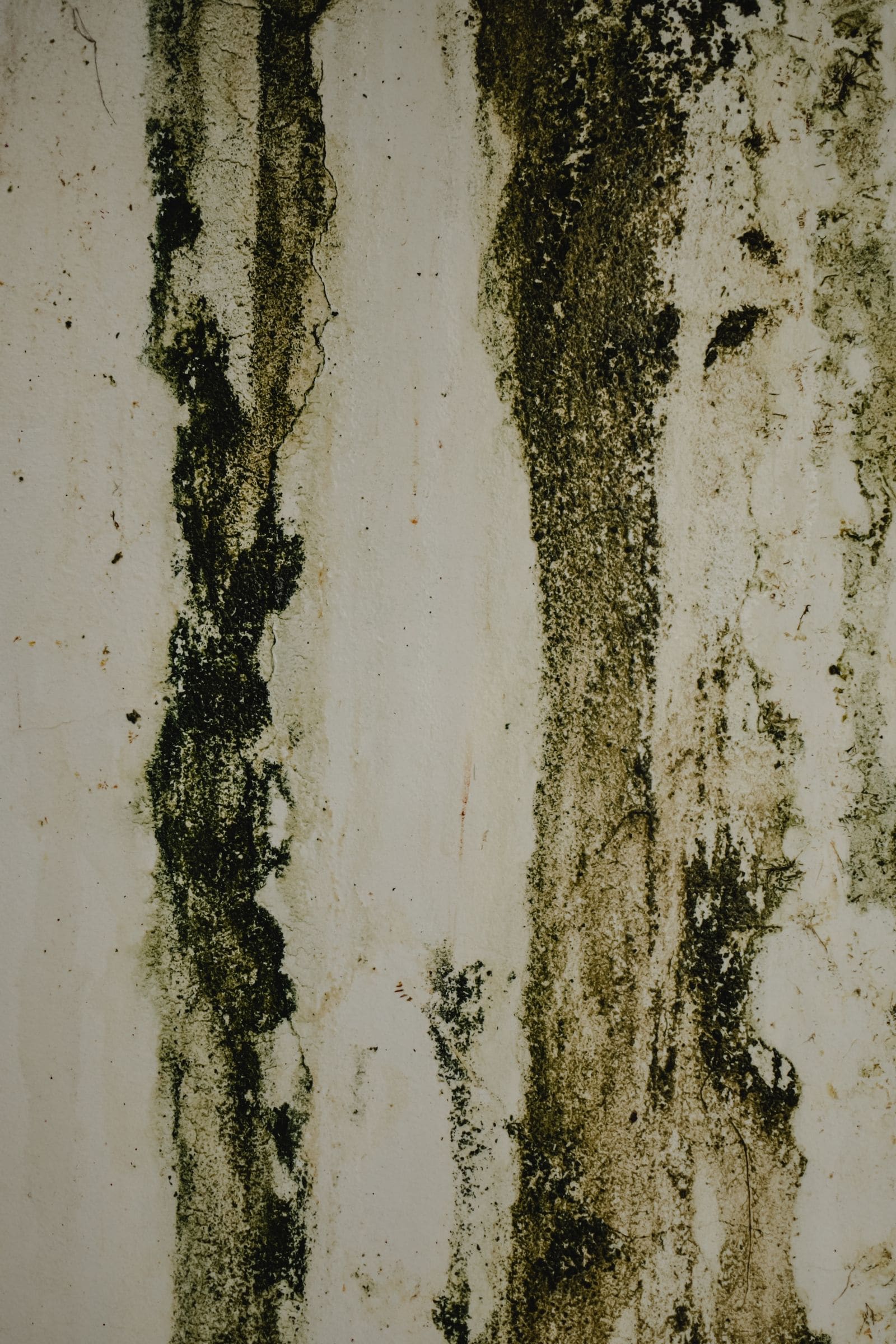
Mold remediation
Mold remediation removes mold growth under containment so spores don't spread, cleans or discards affected materials, and corrects the moisture problem that let it grow.
Learn more
Mold inspection & testing
A mold inspection looks for visible growth, hidden moisture and the conditions causing it, using moisture meters, thermal imaging and, when useful, air or surface samples.
Learn more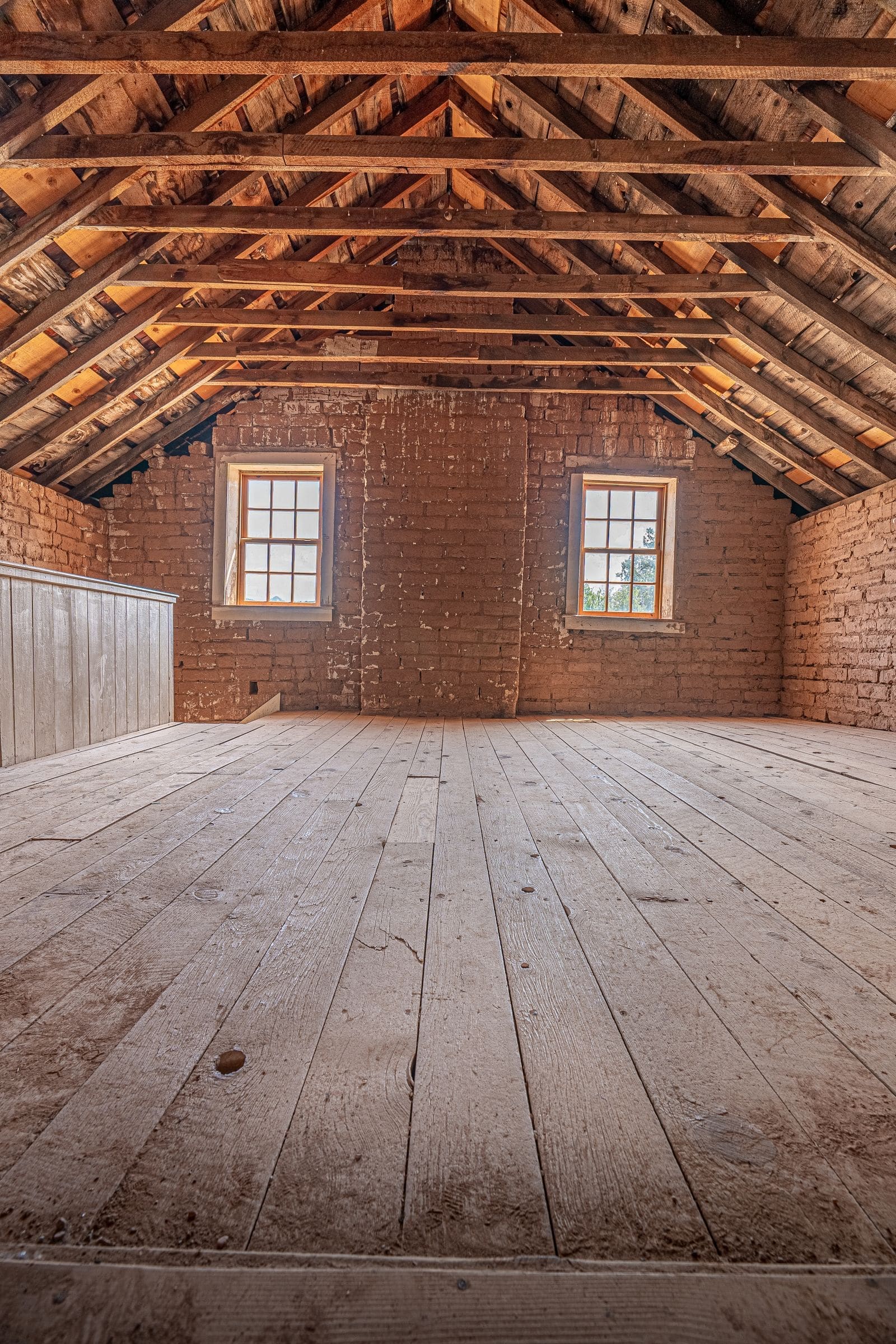
Attic mold removal
Attic mold usually grows on roof decking from condensation, poor ventilation, bathroom fans vented into the attic, or roof and AC leaks.
Learn moreWater, mold or fire damage? Get the right crew on it.
One call connects you with an independent restoration company that serves your ZIP code. Fast call-back during business hours.