
Water damage
Structural drying in Boulder, CO
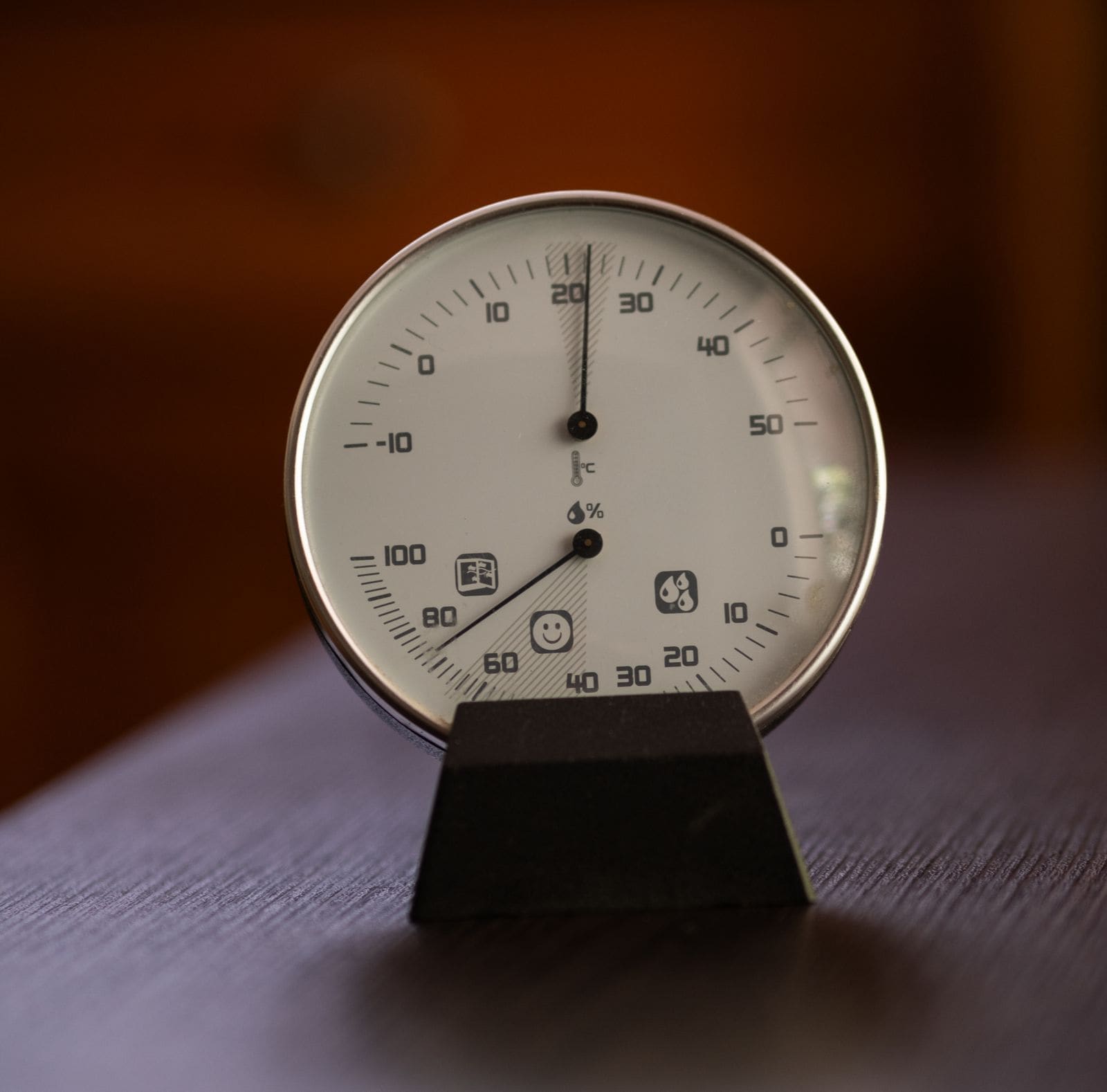
Structural drying removes moisture that has soaked into walls, framing, subfloors and cabinets after the visible water is gone. It uses calculated airflow, dehumidification and daily meter readings so materials reach a documented dry standard before anything is closed up.
Structural drying in Boulder: local conditions
Partner coverage for water damage in Boulder currently includes 9 ZIP codes: 80301, 80302, 80303, 80304, 80305, 80307, 80309, 80310, 80314. If your ZIP is on this list, a call connects you with a company that serves it.
Cold snaps freeze pipes in exterior walls and basements.
Mapleton Hill and Chautauqua have early-1900s homes with basements and aging plumbing. Table Mesa and North Boulder have mostly 1960s–1980s homes with finished basements. Many Boulder homes have finished basements, and older homes in Mapleton Hill and near the university sit on stone foundations. Homes near creeks face flood risk, and homes near open space face wildfire smoke, so restoration needs vary widely across the city.
What you can expect
- One call connects you with an independent restoration company that serves your ZIP code.
- Fast call-back during business hours
- Serving Boulder, CO
- Photo and moisture documentation for insurance
Structural drying at a glance
- Category
- Water damage
- Emergency service
- Scheduled visit
- Typical first step
- Moisture mapping
- Area
- Boulder, CO
Other risks in Boulder
Creek flooding
Boulder Creek and its tributaries flood quickly in heavy rain, as in 2013.
Wildfire smoke
The Marshall Fire left smoke damage in homes across the area.
Ice dams
Snow and freeze-thaw cycles cause ice dams that leak into ceilings.
Hail damage
Summer hail damages roofs and gutters.
Signs you need structural drying
- Walls or baseboards still feel cool or damp days after a leak
- Paint bubbling or peeling near the floor
- Musty odor that returns after cleaning
How the work is done
Moisture mapping, then Open cavities if needed, then Airflow and dehumidification, then Document the dry standard. See the full structural drying process.
What affects the cost
Prices depend on the job, so restoration companies in Boulder quote after an assessment. The main drivers are how much area is affected, how long it stayed wet, and what has to be removed or rebuilt. See the full list of structural drying cost factors.
Structural drying questions
Do I need a permit for repairs in Boulder?
Cleanup and drying don't. Structural, plumbing and electrical repairs need permits from the City of Boulder Planning and Development Services.
Is my Boulder home in a flood zone?
Check the City of Boulder floodplain maps. Homeowners policies exclude flood, and many 2013 claims came from outside mapped zones.
Why not just use fans?
Fans move air but don't remove moisture from it. Without dehumidification, the water evaporated from your walls stays in the room and soaks back into other materials.
Do walls always have to be cut open?
No. Many clean-water losses dry in place with small access holes. Walls are cut when water is contaminated, insulation is soaked, or readings won't come down.
Related pages
Other services in Boulder
Structural drying in nearby cities
More about water and storm damage in Boulder, or see structural drying nationwide.
Related services
Water damage restoration
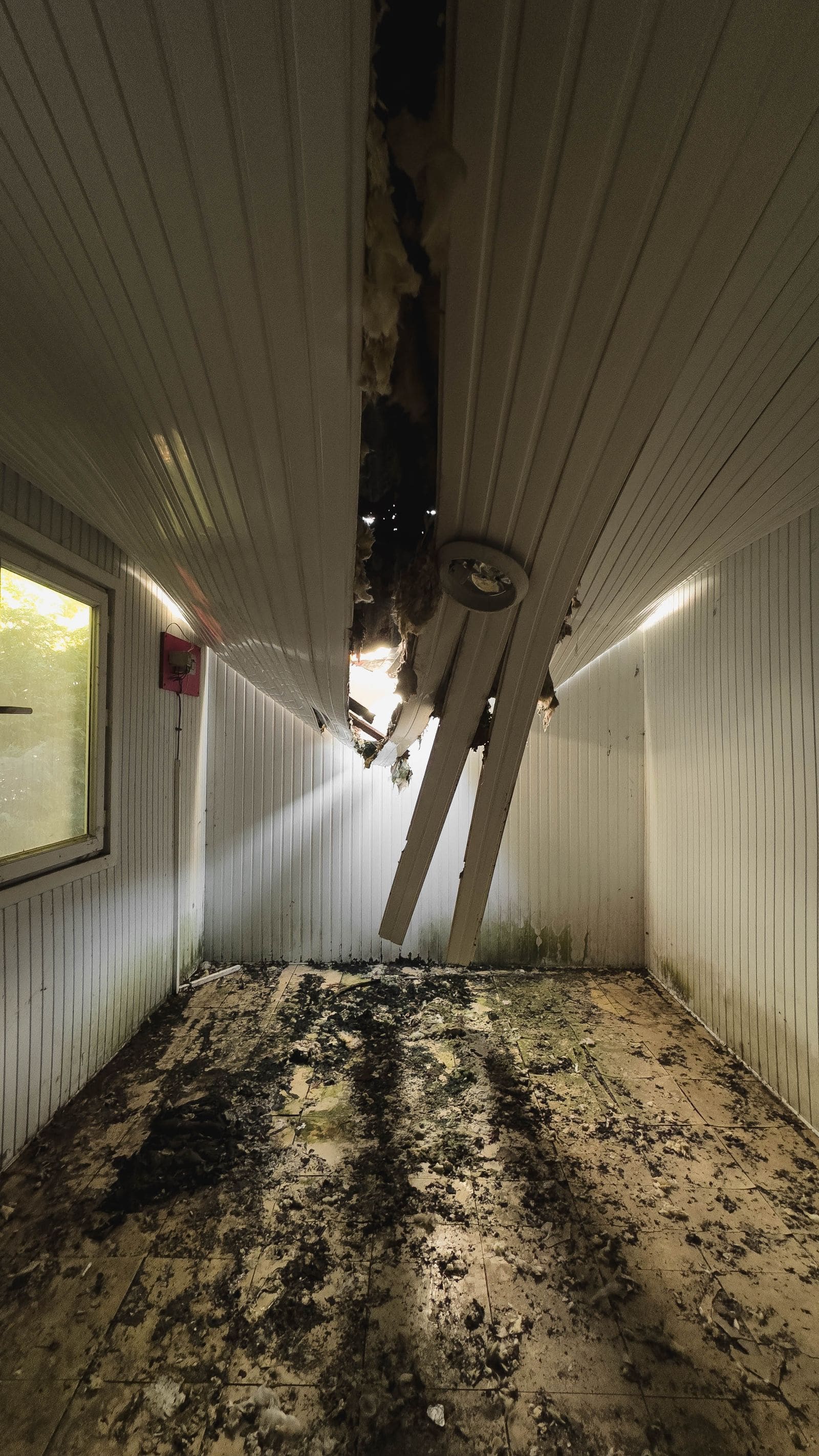
Water damage restoration removes standing water, dries the structure to a measured dry standard, and repairs or replaces what can't be saved.
Learn more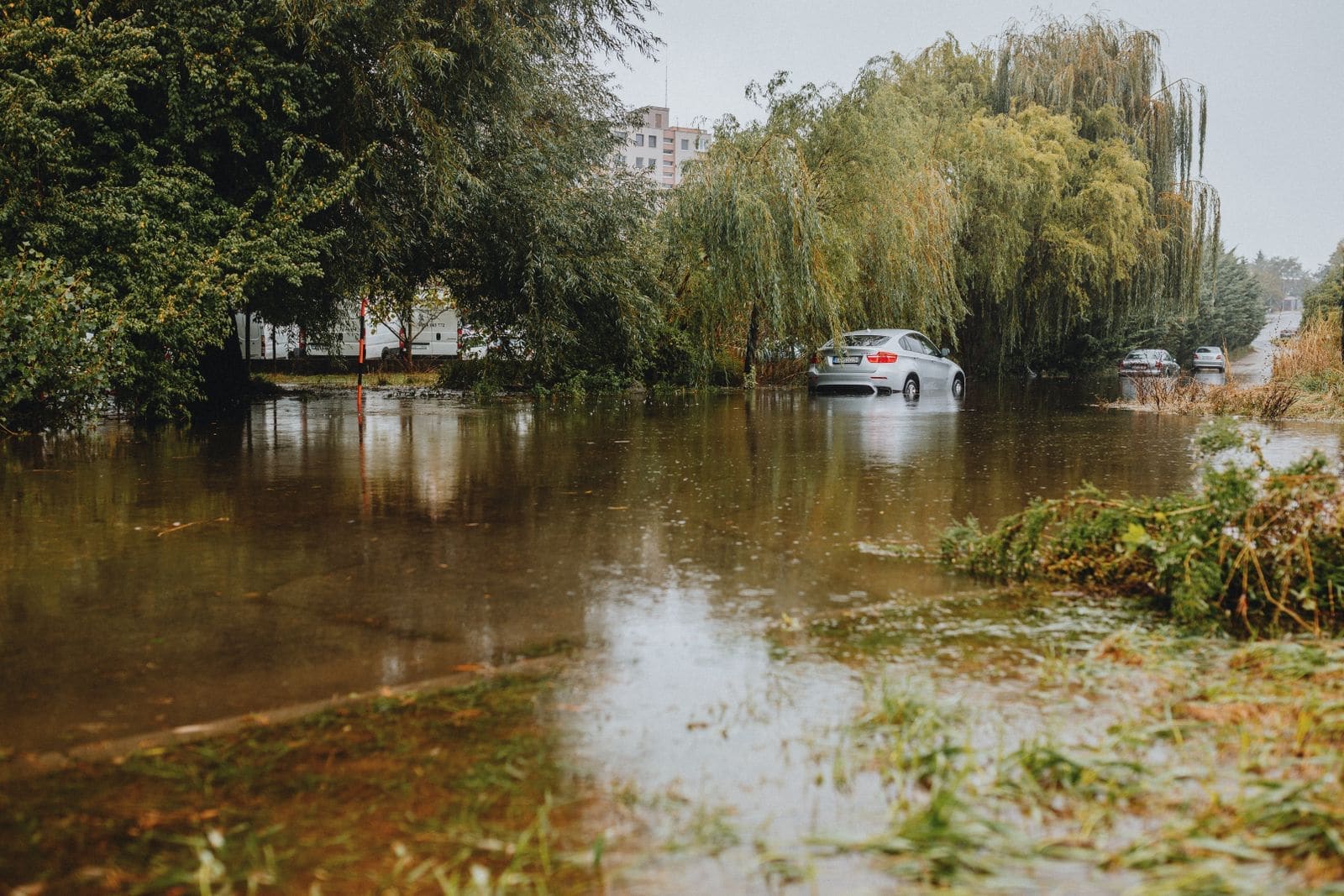
Emergency water extraction
Water extraction is the first step of any water loss: removing standing and absorbed water with powerful pumps and extractors before drying starts.
Learn more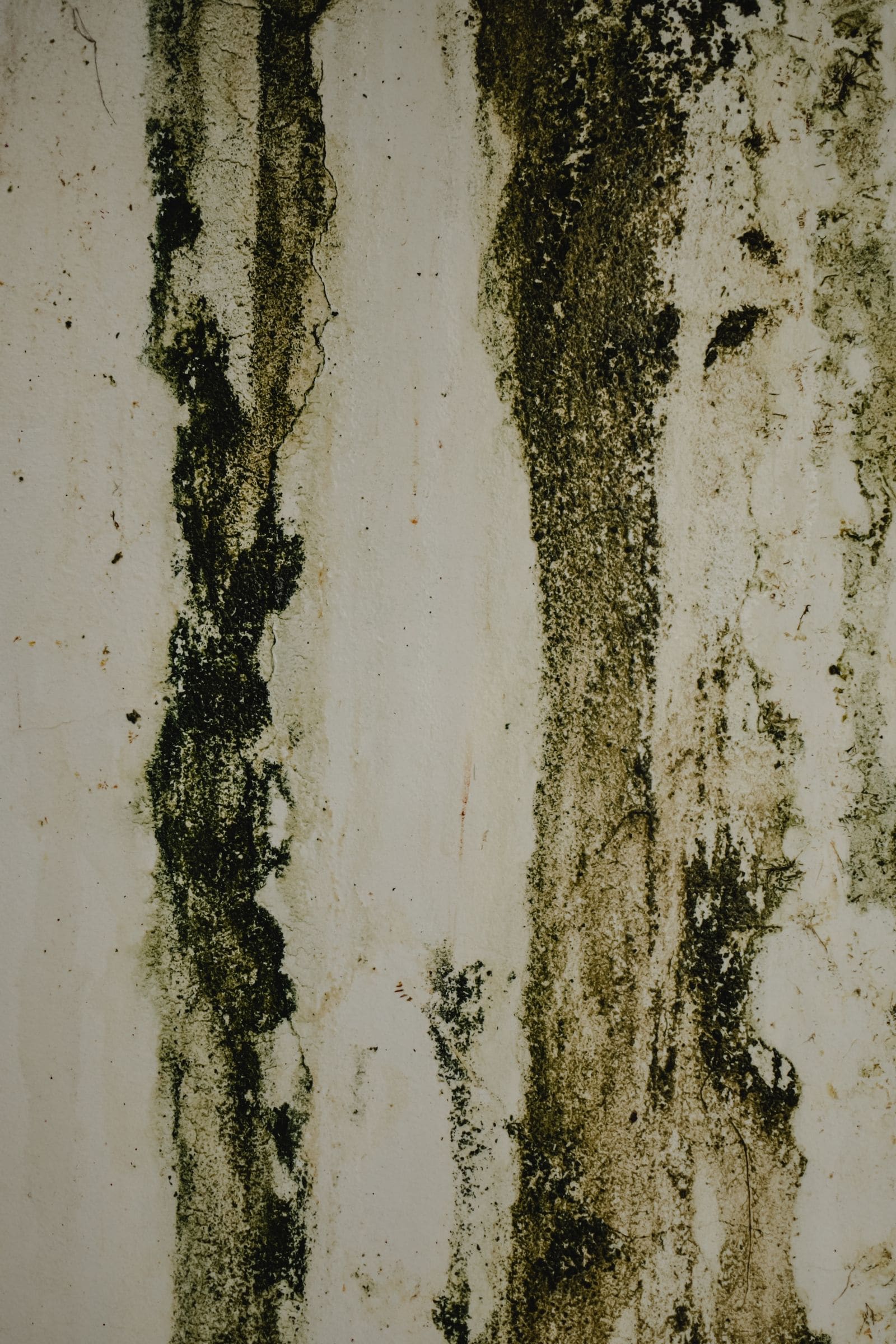
Mold remediation
Mold remediation removes mold growth under containment so spores don't spread, cleans or discards affected materials, and corrects the moisture problem that let it grow.
Learn moreWater, mold or fire damage? Get the right crew on it.
One call connects you with an independent restoration company that serves your ZIP code. Fast call-back during business hours.